


Navigating BERDO 2.0 Compliance: A Guide for Boston Property Owners
Meeting the BERDO 2.0 compliance requirements is crucial for Boston commercial property owners aiming to minimize penalties associated with building emissions. With increasing regulations, property owners need to understand not only the requirements but also how integrating solar energy can provide substantial benefits. This article will explore the key emissions regulations and deadlines outlined in BERDO 2.0, how commercial solar systems can aid in compliance, and the various financial incentives available for property owners transitioning to renewable energy solutions.
In addition to compliance, this guide will highlight the process for installing solar systems and preparing for ongoing compliance reporting. Understanding the interplay between these elements will empower property owners to navigate the challenges of emissions reduction while optimizing their sustainability efforts and avoiding potential penalties.
What Are the Key BERDO 2.0 Building Emissions Regulations and Deadlines in Boston?
BERDO 2.0, formally known as the Building Emissions Reduction and Disclosure Ordinance, lays out stringent building emissions regulations that Boston property owners must adhere to. Effective from January 2024, this legislation mandates that property owners track their building’s emissions and report them annually. Failing to meet these requirements could result in significant penalties, signaling the urgency for owners to comply.
How Does BERDO 2.0 Define Emissions Reporting and Reduction Requirements?
Under BERDO 2.0, emissions reporting involves detailing the greenhouse gas emissions associated with a property over the past year. Property owners must submit this information through the Boston Building Energy Reporting and Disclosure Ordinance portal, which necessitates adherence to specific reporting formats and deadlines. Targeted reduction requirements aim to achieve a 50% reduction in emissions by 2030, thus propelling building owners to implement strategies that optimize energy efficiency and adopt renewable energy solutions.
What Are the Penalties for Non-Compliance Under BERDO 2.0?
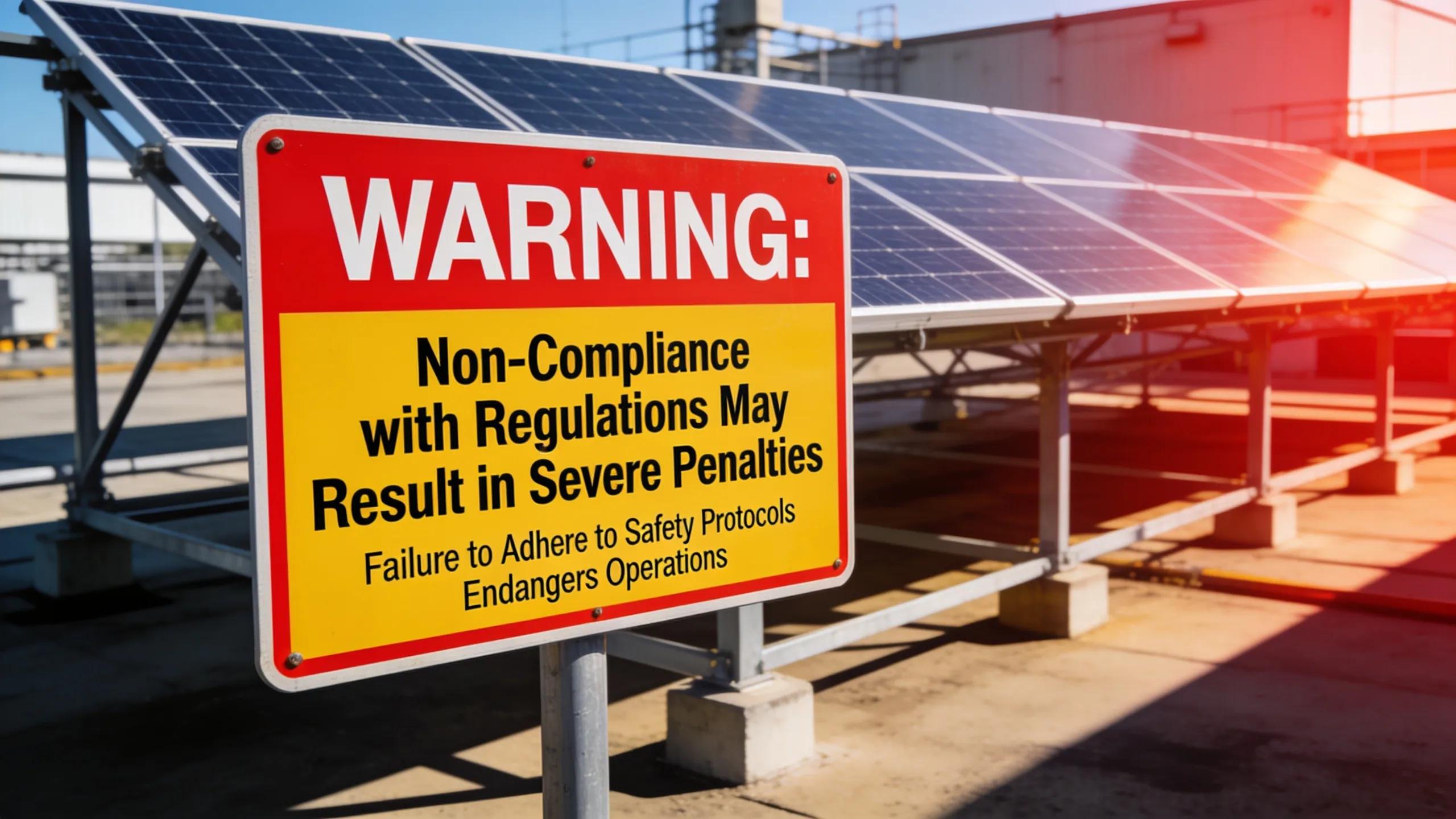
The penalties for non-compliance with BERDO 2.0 regulations can be considerable, starting with fines that can escalate if compliance is not achieved. For example, fines may initially be set at $300 for each reporting lapse but increase for subsequent infractions. Moreover, by failing to report emissions or meet reduction targets, property owners risk not only financial penalties but also potential public scrutiny, underscoring the importance of timely and accurate emissions management.
How Can Commercial Solar Systems Help Boston Property Owners Meet BERDO 2.0 Requirements?
Integrating commercial solar systems presents a strategic approach for Boston property owners to align with BERDO 2.0 regulations effectively. By harnessing solar energy, properties can significantly cut emissions and demonstrate a commitment to sustainability. These systems not only facilitate compliance but also offer a pathway to long-term financial savings through reduced energy expenditures.
In What Ways Do Solar Photovoltaic Systems Reduce Building Emissions?
Solar photovoltaic (PV) systems convert sunlight into electricity, thereby reducing dependency on fossil fuels and lowering greenhouse gas emissions. By generating clean energy on-site, buildings can substantially decrease their overall operational emissions. Additionally, well-designed solar systems are capable of providing over 100% of a building’s energy needs, which can lead to further reductions in reliance on exterior energy sources.
How Does Solar Integration Translate to Penalty Elimination?
The adoption of solar energy directly correlates with compliance to BERDO 2.0, as it aids in meeting the mandated emissions reduction targets. By deploying solar PV systems, property owners can avoid fines associated with non-compliance, thus not only saving money but also enhancing their reputation as environmentally responsible businesses. The transition to renewable energy signals to both regulators and the community a dedication to sustainability, which can further incentivize compliance.
What Financial Incentives and Support Programs Are Available for Solar Compliance in Boston?

Boston offers several financial incentives to support commercial solar installations, making the transition to sustainable energy more feasible and attractive for property owners. Programs such as the SMART (Solar Massachusetts Renewable Target) program provide frameworks for financial assistance tailored to renewable energy projects.
Which Massachusetts Incentive Programs Support Commercial Solar Installations?
The SMART program, particularly the SMART 3.0 version effective from September 2025, aids property owners by offering fixed payments based on the amount of energy produced by their solar systems. This incentivization encourages investment in solar technology, as property owners receive substantial financial returns based on their energy production levels.
How Can These Incentives Improve ROI and Reduce Compliance Burdens?
Leveraging state and federal incentives can significantly enhance the return on investment (ROI) for solar installations. With available tax credits, grants, and rebates, Boston property owners can offset installation expenses and improve energy efficiency. Additionally, these incentives reduce the overall financial burden of compliance with BERDO 2.0, allowing owners to allocate resources more effectively while ensuring adherence to regulations.
What Steps Should Boston Commercial Property Owners Follow to Install Solar for BERDO 2.0 Compliance?
Implementing solar systems in compliance with BERDO 2.0 requires clear, systematic steps. Property owners need to navigate the installation process while understanding the regulatory framework guiding solar integration.
What Is the Typical Solar Installation Process for Commercial Properties?
The solar installation process begins with an initial site assessment, evaluating structural feasibility and energy needs. Following this assessment, system design and engineering occur, tailored to the specific property’s requirements. Finally, after obtaining permits, installation of solar panels, inverters, and battery storage solutions takes place, enabling the property to harness solar energy effectively.
How Can Owners Prepare for Compliance Reporting After Solar Installation?
Post-installation, owners must establish monitoring systems to track energy production and compliance with BERDO 2.0 reporting requirements. Best practices for documentation include regular audits, maintaining clear records of energy use, and understanding the criteria for emissions reporting. These preparations are crucial for ensuring that compliance is achievable and manageable throughout the possession of the property.
