


Navigating Boston BERDO: Compliance Payments and Fines Explained
The Building Energy Reporting and Disclosure Ordinance (BERDO) in Boston presents significant responsibilities for property owners regarding energy efficiency standards. As the city prioritizes sustainability, understanding the financial implications of non-compliance, including alternative compliance payments (ACPs) and fines, becomes crucial for stakeholders. This article delves into the specifics of BERDO, detailing how non-compliance can lead to substantial penalties while providing insights on strategic compliance through energy solutions. Readers will gain a comprehensive overview of BERDO regulations, the calculation of ACPs, associated penalties, and how solar energy can play a pivotal role in mitigating these expenses. Additionally, we will guide property owners through the steps needed to report and pay ACPs effectively.
To better understand the broader context of these regulations, it is helpful to look at the intersection of municipal policy and environmental equity.
Understanding Boston BERDO: Climate Justice and Building Performance Standards Here we examine the implementation of climate justice through Boston’s Building Emissions Reduction and Disclosure Ordinance (BERDO), a landmark Building Performance Standard that reflects a transformative shift towards carbon neutrality in cities. Operationalizing climate justice in the implementation of Boston’s Building Performance Standard, CV Diezmartínez, 2024
What Are BERDO Alternative Compliance Payments and How Do They Affect Boston Property Owners?
BERDO Alternative Compliance Payments (ACPs) are financial penalties imposed on property owners who fail to meet the energy reporting and efficiency standards established by the ordinance. These payments serve as a mechanism to encourage compliance and promote energy efficiency throughout Boston. Understanding the significance of these payments is essential for property owners, as they represent both a potential financial burden and an incentive for improving energy performance. Compliance not only avoids ACPs but also enhances property value through increased energy efficiency.
Defining BERDO and Its Building Energy Reporting Requirements
The Building Energy Reporting and Disclosure Ordinance requires property owners in Boston to report and improve their buildings’ energy performance annually. Under BERDO, owners must submit energy usage data and demonstrate compliance with set benchmarks aimed at reducing greenhouse gas emissions. Non-compliance leads to financial penalties, which can accumulate rapidly, therefore highlighting the importance of understanding and adhering to these regulations. Meeting these requirements is crucial, as violations can incur significant financial consequences.
How Are Alternative Compliance Payments Calculated Under BERDO Rules?
Alternative Compliance Payments are calculated based on the extent of non-compliance with BERDO requirements. The calculation takes into account the size of the property and the degree to which energy performance metrics fall short of established targets. Property owners may face varying payment amounts depending on their specific circumstances. This adaptability in payment structures is designed to encourage compliance while easing the financial burden on property owners. Understanding how these payments are calculated can help property owners to strategize their compliance efforts more effectively.
What Are the Financial Impacts of BERDO Non-Compliance in Massachusetts?
Non-compliance with BERDO can have substantial financial implications for property owners. The expenses associated with BERDO penalties can escalate quickly if compliance is not achieved. Massachusetts has implemented specific penalty rates that are assessed based on the property’s energy performance metrics and compliance history. Consequently, it is imperative for owners to comprehend the financial risks of non-compliance, as fines can mount significantly over time, affecting the bottom line of any property investment.
Understanding BERDO Penalty Rates and Fines in Boston
The penalty rates for BERDO non-compliance are structured to encourage adherence to energy efficiency standards. In Boston, the fines vary based on the level of violations, with a clear escalation model in place. Failure to comply may lead to penalties that can amount to thousands of dollars, particularly for large commercial buildings. Property owners must stay informed about these rates to proactively address any potential compliance issues before they result in financial repercussions.
Reporting Deadlines and Consequences of Missing BERDO ACP Payments
Compliance with BERDO entails strict reporting deadlines, and missing these deadlines can further exacerbate financial penalties. Owners must adhere to scheduled reports detailing their energy usage and efficiency measures. Failing to submit timely reports not only incurs additional fines but can also complicate future compliance measures. Understanding the importance of these deadlines is critical, as engaging in timely reporting ensures that property owners avoid unnecessary expenses and penalties associated with late submissions.
How Can Solar Energy Solutions Help Reduce BERDO ACPs and Associated Fines?
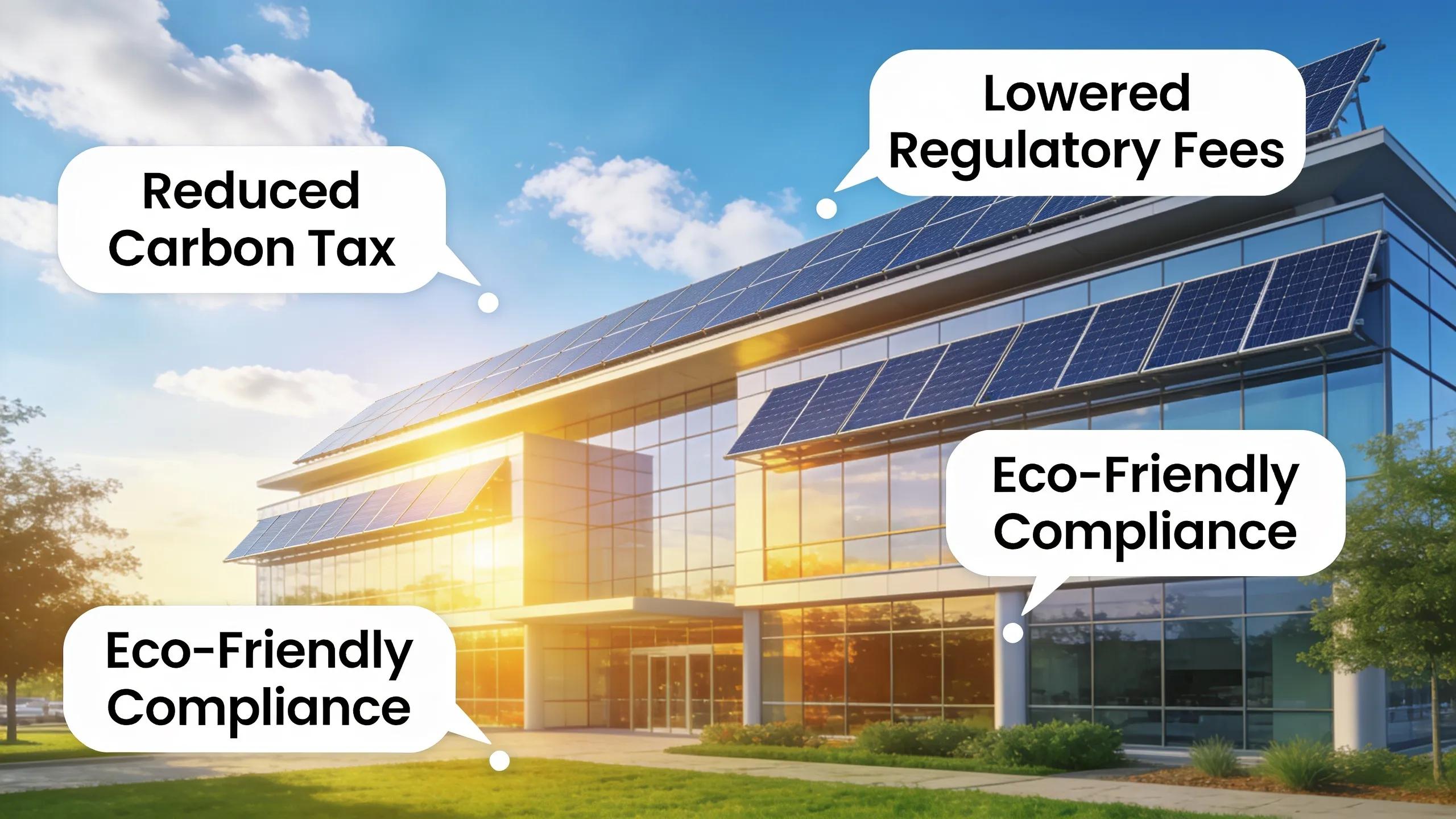
Solar energy solutions present an effective method for property owners to mitigate the impacts of BERDO Alternative Compliance Payments. By integrating solar energy systems, buildings can significantly enhance their energy efficiency, aligning with BERDO’s guidelines and reducing overall compliance expenses. Furthermore, the adoption of solar technologies can lead to long-term savings and environmental benefits, establishing a sustainable path forward for property owners.
Using Solar Energy Credits to Offset BERDO Alternative Compliance Payments
Solar Energy Credits (SRECs) allow property owners who install solar energy systems to earn credits based on the electricity their systems produce. These credits can be sold and used to offset Alternative Compliance Payments related to BERDO non-compliance. By utilizing SRECs, property owners can achieve financial relief while enhancing their compliance profiles, creating a win-win scenario that promotes sustainability and compliance with local regulations.
Case Examples: Solar Installations Successfully Lowering BERDO Penalties
Numerous case studies demonstrate the effectiveness of solar installations in achieving significant reductions in BERDO penalties. Properties that have successfully integrated solar energy solutions report lower ACPs due to their enhanced energy performance metrics. For instance, property owners who moved to solar energy systems have documented improved compliance with BERDO requirements, effectively lowering their financial liabilities while contributing to the city’s sustainability efforts. These examples highlight the potential for solar energy to serve as a strategic tool in navigating compliance landscapes.
What Steps Are Involved in Reporting and Paying BERDO ACPs to Stay Compliant?
Navigating the reporting and payment process for BERDO Alternative Compliance Payments requires a structured approach to ensure compliance. Property owners must maintain accurate records and report their energy usage within specified timeframes to avoid penalties. Understanding the procedural requirements not only streamlines compliance efforts but also minimizes the risk of incurring unnecessary fines.
Step-by-Step Guide to BERDO ACP Reporting and Payment Procedures
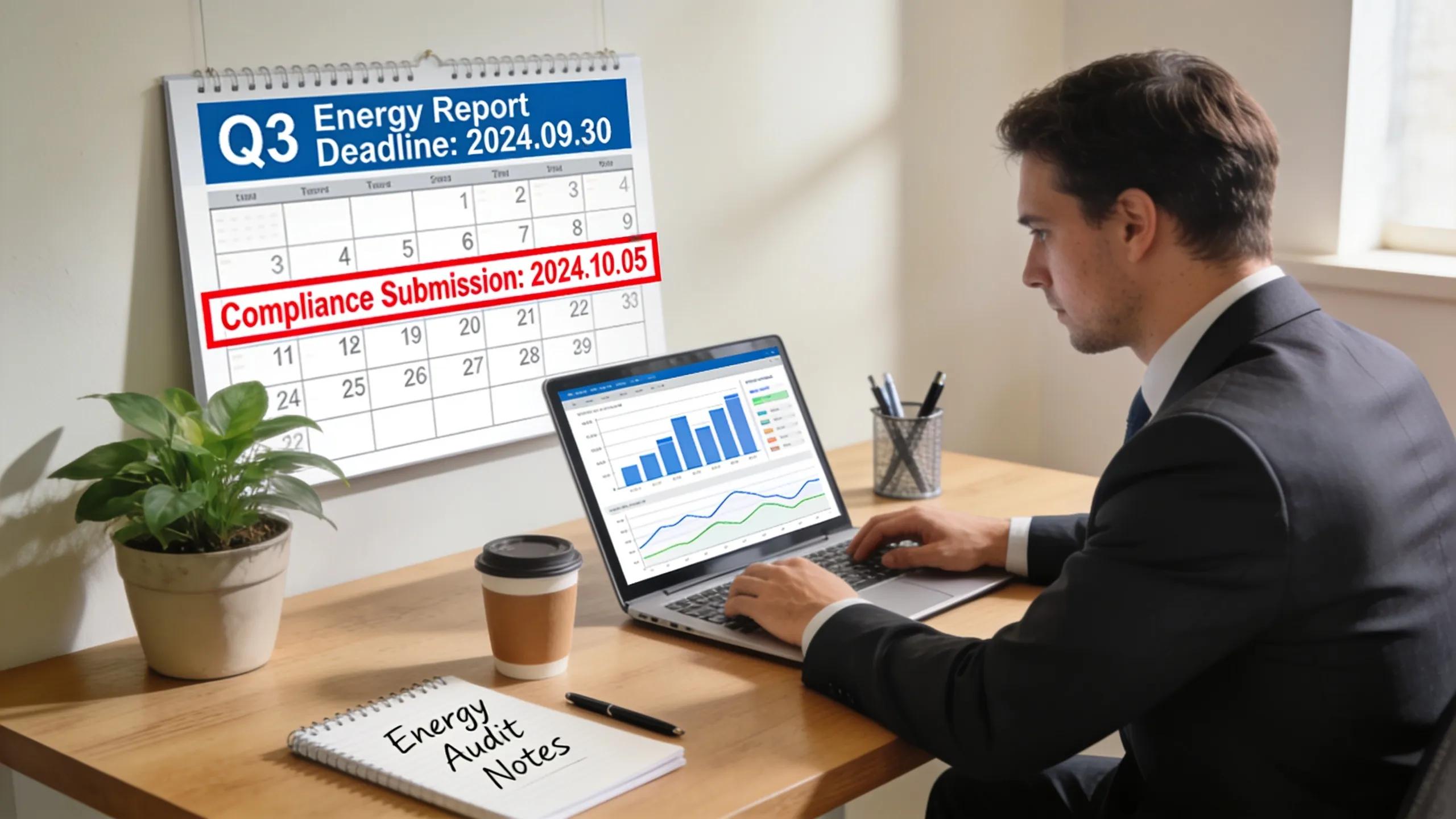
To ensure timely compliance with BERDO requirements, property owners should follow these steps:
- Gather Energy Usage Data: Compile detailed records of the building’s energy consumption for the reporting year.
- Assess Compliance Status: Evaluate whether the building meets the established energy performance benchmarks.
- Complete the Report: Fill out the required BERDO reporting forms accurately, providing all necessary information regarding energy usage and improvements made.
- Submit on Time: Ensure that reports are submitted before the deadlines to avoid late fees and additional penalties.
Following these steps can significantly mitigate risks associated with BERDO compliance.
Are There Any Exemptions or Incentives Related to BERDO ACP Payments?
Certain exemptions and incentives associated with BERDO ACP payments can alleviate financial burdens for property owners. These may include provisions for buildings undergoing renovations, properties that demonstrate significant energy efficiency improvements, or those participating in energy-saving programs. Understanding the applicability of these exemptions is crucial for property owners looking to further enhance their compliance strategies while optimizing financial outcomes.
The financial implications of non-compliance with BERDO demonstrate the pressing need for property owners to prioritize energy efficiency and compliance measures. Harnessing the benefits of solar energy can significantly ease the financial strain of ACPs while fostering a more sustainable future for Boston.

