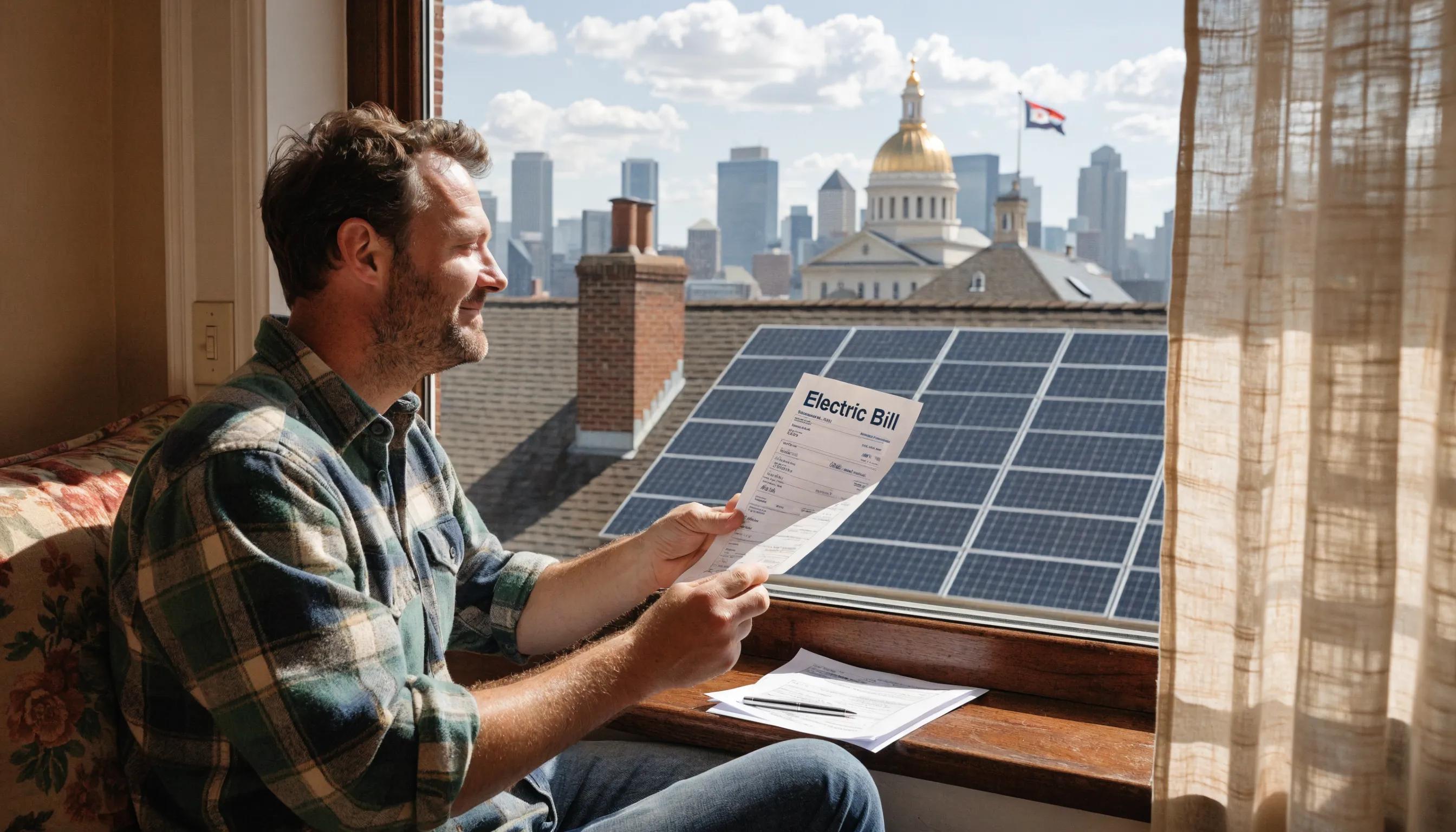
What Your Electric Bill Will Look Like After Installing Solar Panels in Massachusetts and Southern New Hampshire
Understanding how your electric bill will change after installing solar panel installation is crucial for homeowners and businesses considering this eco-friendly investment. This article delves into the transformative effects of solar energy on your electricity costs, particularly in Massachusetts and Southern New Hampshire. You will learn about the mechanics of solar energy, net metering, and real-world examples of electric bills before and after installation. Finding the right balance between cost savings and environmental responsibility is essential for anyone contemplating solar panel installation.
As energy prices fluctuate and environmental concerns grow, many homeowners are turning to solar solutions for sustainable energy independence. By exploring specific elements like how solar energy production offsets electricity consumption, and the savings provided by Massachusetts net metering, this guide will clarify the financial implications of making the switch. The article also highlights examples of electric bills to illustrate potential savings and avenues to maximize these benefits.
How Does Solar Energy Reduce Your Electric Bill?
Solar energy reduces your electric bill primarily by generating power from sunlight using photovoltaic (PV) systems, which convert solar light into usable electricity. This mechanism diminishes reliance on the grid, enabling homeowners to offset their energy consumption with self-generated power. As a result, your monthly bill reflects a decrease in utility charges, contributing to long-term savings.
In addition, solar solutions can unlock various state and federal incentives that enhance overall affordability. Examples include tax credits and rebates that lower installation costs, thereby shortening the payback period. This reduction in electricity costs alongside incentives allows you to enjoy significant financial benefits while contributing positively to the environment.
For those interested in the upfront financial requirements, it is helpful to understand the typical market pricing for residential solar setups in the region.
Average Solar Panel Installation Costs in Massachusetts
The average installation cost of solar in MA is $3.54 per
W A guide to residential energy storage and rooftop solar: State net metering policies and utility rate tariff structures, B Tarekegne, 2024
How Does Massachusetts Net Metering Affect Your Solar Electric Bill?
Massachusetts offers advantageous net metering policies that directly impact how solar energy systems affect your electric bills. Net metering is a billing arrangement that credits solar energy system owners for the excess electricity they produce and send back to the grid. This mechanism allows you to offset future electricity consumption against these credits, leading to reduced utility expenses.
The state’s net metering framework provides two primary benefits: it helps scale down monthly bills and it contributes to the value of your home. Homeowners can realize substantial savings by effectively managing their solar generation. Those who invest in solar infrastructure can often expect reduced energy costs and an improved resale value due to greener features.
What Is Net Metering and How Are Excess Solar Credits Applied?
Net metering is a system that allows solar panel owners to receive credits for the energy they feed back into the grid. The billing cycle summarizes the total amount of electricity consumed versus what was produced and sent back. When solar panels generate more energy than the home consumes, the surplus is credited, creating a buffer for times when solar production is low.
These credits effectively lower future utility bills, where the saved amount can be deducted from your electricity charges in subsequent months. Homeowners who leverage net metering can better manage their electricity costs while contributing to energy sustainability.
How Much Can Net Metering Save You on Monthly Bills?
The savings from net metering can vary significantly based on the size of your solar system and energy consumption habits. On average, homeowners might expect a reduction in monthly electric bills ranging from 50% to 100%, depending on how well their system generates power. Larger systems producing surplus energy can contribute to larger savings.
To illustrate potential savings, the following table compares expected savings based on different solar system sizes:
Solar System Size
Estimated Savings per Month
Payback Period
4 kW
$80 – $100
5 – 7 years
6 kW
$120 – $150
4 – 6 years
8 kW
$160 – $200
3 – 5 years
These estimates suggest that investing in a solar panel system results in meaningful monthly savings, further justifying the initial investment.
What Will Your Solar Electric Bill Look Like With Examples?
Visualizing actual electric bill changes post-solar installation can provide clarity on financial outcomes. For instance, a homeowner’s bill prior to installation might show a charge of $250 per month. After the integration of a solar system, this bill could drop dramatically to as little as $50, depending on the system’s efficiency and size.
How Do Pre-Installation and Post-Installation Bills Compare?
The contrasting electric bills can provide a compelling overview of solar benefits. Before installation, a typical Boston household might see costs accumulate from various utility fees and taxes. Following installation, many homeowners enjoy a more streamlined bill reflecting the substantial decrease in reliance on grid electricity. This difference highlights the financial benefits of integrating solar technology into home energy practices.
What Are Common Billing Statements for Homes and Businesses?
Both residential and commercial solar users benefit from noticeable changes in their billing statements. For homes, the most pronounced effects occur during peak usage months, where solar offsets can substantially reduce the total bill. Similarly, businesses notice savings by using solar energy during operational hours, ultimately leading to better resource management and financial forecasting.
How Can You Maximize Your Solar Energy Savings After Installation?
To maximize savings from solar energy, it is essential to integrate battery storage and efficient energy management systems alongside your solar panels. These technologies enhance how you utilize generated energy and can significantly boost independence from the grid.
What Solar Incentives and Tax Credits Are Available in Massachusetts?
Massachusetts offers various incentives and tax credits that can help decrease upfront costs. The Investment Tax Credit (ITC) allows homeowners to claim a significant percentage of the solar installation costs against their federal income taxes, making solar more affordable.
How Do Battery Storage and Energy Management Improve Savings?
Battery storage systems allow solar energy users to store surplus electricity for later use, particularly beneficial during peak demand times when utility rates are higher. Efficient energy management systems can optimize when appliances run based on solar availability, further decreasing reliance on the grid.
In summary, transitioning to solar power presents substantial opportunities for both cost savings and environmental benefits. With support from state incentive programs and efficient energy use, homeowners can take advantage of solar energy to significantly reduce their electric bills.
Unlock the potential of solar energy for Massachusetts homes. Learn how residents can...
Top
can solar panels provide all my electricity, free solar pa, 2024 tesla suv, powur, solar panels bill, will the power company pay me for solar energy, lower my utility bill solar, how much do solar panels save on electricity bills, do solar panels cut electricity bills, solar panels arizona, dte free solar panels, energy bill savings with solar canopy, electric solar panels, do solar panels, solar bill vs electricity, do i have to pay electricity bill if i have solar panels, monthly cost of solar panels, do solar panels give you electricity, does solar reduce electric bill, electricity bill for solar panels, solar panel payments, why is my electric bill so high with solar panels, what is the average electric bill in massachusetts, how much do solar panels reduce electric bill, i have solar panels but my electric bill is high, how do solar panels affect electric bill, how much is your electric bill if you have solar panels, solar panel electric, do you have an electric bill with solar panels, solar panels for your home, getting bill credit for solar, do you have to pay for solar panels monthly, how much electricity does a tesla use, do you need electricity if you have solar panels, si tengo paneles solares pago luz, energy bill with solar panels, will solar eliminate electric bill, electric bill after solar panels, how do solar panels help with electric bill, after solar installation, average electric bill in massachusetts, how much does solar save on electricity bills, solar power bill, solar panels lower electric bill, can you have solar panels and electricity, solar panel and electricity bill, can solar panels cover all my electricity, how does solar energy reduce electricity bills, do solar panels eliminate electric bill, do you pay for solar panels monthly, how to read nv energy bill with solar, can you get paid for having solar panels, how much does solar panels decrease electricity bill, pge tiered vs time-of-use, if you have solar panels and the power goes out do you still have power, solar savings on electricity bills, how much does it cost to charge a tesla cybertruck, how do i know if my solar panels are saving me money, how much can i lower my electric bill with solar, installation bill, solar panel installation greenacres, solar drops electricity costs, why is my electricity bill so high with solar panels, does solar panels lower electric bill, electricity panels, solar panels and electricity bills, how many kilowatts to charge a tesla, solar panels electricity bills, what is the maintenance on a tesla, why am i still paying for electricity when i have solar, how much are solar panels a month, solar sc, electric bill after solar, cost of electricity with solar panels, can you charge a tesla with solar panels, solar panels monthly cost, how to pay for solar panels, how long do solar panels last, before and after solar bill, how much does it cost to charge a tesla per month, how do solar panels work with your electric bill, what is a solar bill, is electricity free with solar panels, solar system installers near me, electric bill boston, why is my electric bill higher with solar panels, how much is monthly electric bill with solar panels, do you have to pay electric bill with solar panels, solar energy reduces electricity bills, does solar power go to power company first, how do solar panels affect your electric bill, do solar panels reduce your electricity bill, does the electric company pay you for solar energy, paying for solar panels, boston average electric bill, average electric bill massachusetts, how much will my electric bill be with solar panels, using solar panels to reduce electricity bill, monthly electric bill with solar panels, how many kwh does it take to charge a tesla, do you pay monthly for solar panels, solar panels electricity, how much is electricity with solar panels, electricity bill with solar panels, does solar energy reduce electricity bills, solar panels and electric bill, is trinity solar really free for seniors, do solar panels lower your electric bill, do solar panels lower electric bill, nj solar program, do you have to pay for electricity if you have solar panels, solar panels indiana, do solar panels cover all my electricity, solar panel cost louisiana, solar electricity, what happens after solar panels are installed, maine solar incentives, solar panel electric bill, solar solutions for high utility bills, do solar panels make your electricity cheaper, how much does solar reduce your bill, solar panels for homes, can i have solar panels on my house, do you still pay electric bill with solar panels, how do solar panels reduce electricity bills, solar panels vs electricity cost, still have an electric bill, solar panel cost id, how much is your electric bill with solar panels, why is my electric bill so high when i have solar panels, how does solar billing work, how much do you save with solar panels, should i get solar panels, i have solar panels, electricity bill before and after solar, do you still have an electric bill with solar panels, do solar panels mean free electricity, how do solar panels affect my bill, solar monthly cost, solar panel electricity bill, average electricity bill boston, how much will solar panels save me, do you get free electricity with solar panels, do i still pay for electricity if i have solar panels, average monthly solar bill, solar net metering bill example, can solar panels reduce your energy bills, evergy solar rebate, solar panels for a home, will i still have an electric bill with solar panels, do you still have a electric bill with solar panels, do solar panels give you free electricity, solar energy systems, does solar help with electric bill, solar vs electric bill, how to go solar, do you still have to pay electricity bills with solar panels, average electricity bill in boston, lower my utility savings solar, electric bill with solar panels, do you have to pay bills for solar panels, totally free solar panels, do solar panels replace electricity, do solar panels reduce bills, why do i have an electric bill with solar panels, do electric company pay you for solar energy, solar panel monthly cost, how much is solar monthly, monthly solar purchase, how does paying for solar panels work, do i get free electricity with solar panels, do you pay for electricity with solar panels, do you still have electric bill with solar panels, cost to charge a tesla, do solar panels provide free electricity, tesla solar panels cost per month, how much does solar panels save on electric bill, average electric bill boston, reduce my electric bills solar, is tesla solar panels worth it, home solar panels electricity, if you have solar panels, do you pay electricity with solar panels, solar sources of energy, how much do solar panels save on energy bills, ca renewable energy act, how much do solar panels reduce bills, do you still pay an electric bill with solar panels, do solar panels really reduce electricity bills, solar panels post, will solar panels reduce my electric bill, solar energy vs electricity cost, if you have solar panels do you have to pay for electricity, does electricity come from the sun, will solar panels eliminate my electric bill, electricity bill after solar installation, solar panels installation near me, solar panels louisiana, solar panels and electricity, how much does solar really cost, massachusetts electric bill, do solar panels work during a power outage, solar panels energy bill, solar panels for home, how much do solar panels reduce electricity bills, ohio clean energy program, how much do you pay for electricity with solar panels, do you have electric bill with solar panels, i have solar but still pay for electricity, do you still pay electricity bills with solar panels, what will my electric bill be with solar panels, do you have to pay for solar panels, how much is electric bill with solar panels, do you pay electric bill with solar panels, tesla solar panels, solar panels electric bill, will people notice my solar panels from the street, solar power vs electricity cost, pacific gas and electric company, solar panels for electricity, home solar system installers near me, do solar panels help reduce electricity bills, solar panels to reduce power bills, average electric bill with solar panels, solar bill payment, after solar, home solar panel installers near me, solar energy in puerto rico, can solar panels eliminate electric bill, solar panel installer near me, do you pay an electric bill with solar panels, solar electric bill, electric bill is negative, do you still need electricity if you have solar panels, solar panels help with electric bills, solar vs electric, what does an electric bill look like, how much do solar panels lower your electric bill, spartan solar louisiana, if you use solar panels do you pay for electricity, boston electric bill, do solar panels reduce electricity bills, solar panels electricity bill, tesla cybertruck, if you have solar panels do you still pay for electricity, how can i generate my own electricity bill, does having solar panels reduce my electric bill, do you still have to pay an electric bill with solar panels, do you pay an electric bill if you have solar panels, why do solar companies need my electric bill, do solar panels create electricity, average electric bill in ma, why is my electric bill so high even with solar panels, solar energy electricity bill, solar panels new jersey, if you have solar panels do you pay for electricity, electric bill with solar, solar panel electricity, how much will my electricity bill be with solar panels, how do solar panels work with electric company, solar panels vs electricity bill, how much does it cost to charge a cybertruck at home, why do i still have an electric bill with solar panels, solar vs electricity bill, blue raven solar reviews, if i install solar panels do i still pay for electricity, electricity bills with solar panels, solar panels new hampshire, solar panel installation arizona, how do solar panels reduce my electricity bills, solar panels mesa arizona, solar panels pay monthly, how much can i save with solar panels, how much money do solar panels save per month, average monthly electric bill in massachusetts, how much does the electric company pay for solar power, solar panels electric, solar before and after, average monthly payment for solar panels, if you have solar panels do you need electricity, do you still pay for electricity with solar panels, how much are solar panels for a house, solar panel bills, if i have solar panels do i still pay for electricity, negative electric bill solar, solar not working during power outage, how much do solar panels help with electric bill, average monthly electric bill with solar panels, do you pay for solar panels, cost of installing charging station at home, i have solar panels now what, do you have to pay monthly for solar panels, do you have to pay an electric bill with solar panels, electricity bill solar panels, do you still have to pay for electricity with solar panels, how much does solar energy cost per month, i have solar panels but still pay for electricity, what is the average electric bill with solar panels, average electricity bill with solar panels, tesla solar panels cost, own your energy with solar, 50kwh per day, how much does it cost to charge a tesla truck, solar panel bill, can solar panels replace electricity, how much does solar save, tesla homes, eversource sample bill, when you have solar panels do you still pay for electricity, what is the average monthly payment for solar panels, will solar panels pay for all my electricity, home solar panels, average tesla charging cost per month, electric bill before and after solar panels, solar panels no electricity bill, how much are solar panels monthly, do you have to pay electricity with solar panels, how do you pay for solar panels, solar energy billing, solar panels not reducing bill, electric bill savings with solar panels, does solar help with gas bill, solar vs electric cost, solar panels reduce electricity bill, free solar panels ct, solar power installers near me, residential solar power, having solar panels installed, blue raven solar, aep bill sample, solar panels for ltv, do you have to pay electricity if you have solar panels, what do solar panels look like, free solar panels in washington state, solar reduce electricity bills, average electric bill with solar, how much do solar panels cost monthly, tesla truck, do i have to pay the solar bill if my landlord has it on his house, how does solar panels reduce electricity bills, negative amount due on electric bill, solar power company near me, mass electric pay bill, how much does solar save you per month, does tesla solar panel cost include installation, how much can you save on your electric bill with solar panels, monthly solar panel cost, cost to charge at tesla supercharger, solar bills, how much is electricity bill with solar panels, are solar panels worth it, how much electricity does a tesla use to charge at home, how much do solar panels save per month, tesla cybertruck price usa, negative electricity bill, is tesla solar worth it, can i get solar panels, adding solar panels, how much does it cost to charge a tesla at a charging station, what does it mean when your electric bill is negative, what does a solar panel look like, how much does solar save you, how much for tesla solar panels, do you get paid for solar panels, how long will it take to charge the cybertruck at home, solar panels to save electricity, solar panel installation invoice, how much for solar panels, how much do you save on electric bill with solar panels, bill after solar installation, cybertruck, cost of solar panels, solar panels pay, how much does your electric bill go down with solar panels, do you have to pay for solar energy, free solar in florida, solar system monthly payment, high electric bill with solar panels, how much money do you save with solar panels, electricity bill with solar example, solar panel cost monthly, electric companies bill credit solar, solar panels ct, solar panels yuma az, do you get paid to have solar panels, getting solar panels, free solar panels puerto rico, solar panel roof tiles tesla, do you pay for electricity if you have solar panels, government funded charging stations, average power bill with solar panels, free solar panels new hampshire, how much do you save on electricity with solar panels, free solar panels utah, why is my light bill negative, cybertruck price, how much does solar reduce your electric bill, charging tesla with generator, electricity bill after solar panels, how much does it cost to rent solar panels, solar panel vs electricity cost, solarcity login, tesla generator, how much is a monthly solar bill, eversource bill example, what happens if my solar panels produce more electricity than i use, solar panels in kentucky, why is my electric bill so high if i have solar panels, how much electricity does an electric car use, smallest electric vehicles, are tesla solar panels worth it, using solar panels for electricity, how much electricity does it take to charge a tesla, what does it mean when my electric bill is negative, cost of solar panels in ct, free solar panels mississippi, polestar 3, what will my electric bill be, tesla energy, edison, average electric bill in boston, solar energy advantages and disadvantages, solar panels vs electricity, electricity prices boston, solar stores near me, is tesla energy part of tesla, free solar panels nh, how much are electricity bills with solar panels, how much does solar panels reduce electricity bills, can i get rid of my solar panels, how much is it to charge a tesla at a charging station, free solar panels kentucky, can you charge an electric car with a generator, electricity post, ky solar incentives, can solar panels completely replace electricity, solar programs near me, panels for electricity, tesla solar panels efficiency, do solar panels save electricity, free solar panels, solar billing, how much electricity does it take to fully charge a tesla, how much does it cost to charge an electric car, cheapest electricity providers bedford, solar in maine, free government grants for solar panels, how much does solar power save on electricity bills, how much to charge an electric car at a charging station, tesla solar panel, tesla, solar panels puerto rico, eversource bill sample, kentucky solar tax credit, get paid to install solar panels, what state has the most solar power, free ev charging stations nyc, can solar panels reduce energy bills, electricity cost with solar panels, can i have solar panels, solar panels in arizona, how to read eversource bill with solar, solar costs california, arizona free solar program, how much does it cost to charge a tesla, solar power payment plans, how much does a tesla powerwall cost, how much does it cost to charge a tesla at home, how much is the average electric bill with solar panels, solar panels shreveport, reduce electric bill with solar panels, how many watts to charge a tesla, tesla billing, solar panels for electric, how much do tesla solar panels cost, arizona solar power incentives, does your electric bill go up with a tesla, solar panel for home cost, free home solar panels, free solar panels ohio, how much are solar panels in indiana, energy bill after getting solar, solar panel delivery, free solar panels for seniors, solar panel cost, eversource bill, does charging a tesla make your electric bill go up, electric bill after tesla, free solar panel program, solar panels ohio, solardo net worth, solar panels arizona free, solar panels madison wi, solar panels monthly payments, after solar panel installation, do solar panels give electricity, how much does charging a tesla increase your electric bill, home solar installers near me, solar in nh, why does solar energy cost so much, sample eversource bill, how much does a tesla affect electric bill, do solar panels reduce energy costs, monthly bill for solar panels, solar panels for your house, southern california edison solar program, how much does a tesla add to your electric bill, arizona solar incentives, solar panels spokane, how much does a tesla increase your electric bill, how to get free solar panels from the government, tesla monthly electric bill, how does solar reduce your power bill, are solar panels free in new jersey, will i have an electric bill with solar panels, how much do solar panels save you per month, tesla solar pay bill, how much does a tesla add to electric bill, do you get charged for having solar panels, how much is your electric bill with a tesla, does charging a tesla increase your electric bill, how much does electric bill go up with tesla, setting up solar panels is an example of, solar electricity bill, solar power vs electricity, do solar panels reduce electric bill, do you still get an electric bill with solar panels, how much does your electric bill go up with tesla, solar panels in louisiana, get paid for solar power on your roof, how much does owning a tesla increase your electric bill, if you have solar panels do you have an electric bill, illinois clean energy, new jersey solar panel program, how much does electricity bill go up with tesla, how much does tesla add to electric bill, how can i get free solar panels, what is tesla electric, how much do solar panels reduce your electricity bills by, what does it mean if my electric bill is negative, tesla home charger price, when you get solar panels do you pay for electricity, tesla electric bill details, solar panel electricity price, cost of tesla solar, tesla solar bill pay, free solar panels wisconsin, how much electricity does solar panels save, tesla pay my bill, electric bill with tesla, tesla energy bill pay, how to use solar panels to reduce electricity bill, monthly solar payment, solar panel cost arizona, electricity bill after solar, how much more is your electric bill with a tesla, cost to charge a tesla model 3, solar panel vs electricity, is solar good investment, tesla bill pay, do you still have power if you have solar panels, truth about solar panels, what does solar panels look like, new hampshire solar energy project, dte bill sample, how much does a tesla affect your electric bill, if i have solar panels, tesla electric bill, how to read electric bill with solar, solar power in puerto rico, solar system bill, how to read electricity bill with solar, solar panels program, tesla energy billing, aps rates, cheap electricity bedford, government solar panels program, average monthly electric bill massachusetts, solar panel electricity cost, how do solar panels lower electricity bills, how much do solar panels save, tesla bill payment, tesla solar payments, indiana solar, solar panels for home ohio, can you still get solar panels for free, electric look, how much does a tesla increase electric bill, using solar panels instead of electricity, completely free solar panels, how to read energy bill with solar panels, alabama solar, electric bill tesla, electricity bill with tesla, why am i still getting an electric bill with solar panels, tesla solar billing, monthly payment for solar panels, solar in louisiana, tesla biller payments, how much will solar save me, average electric bill ma, solar panels lexington ky, how much are solar panels in arizona, tesla solar bill, best energy supplier if you have solar panels, does a tesla raise your electric bill, compare electricity providers bedford, solar electric cost, tesla solar panels pay bill, how much does tesla increase electric bill, tesla solar true-up, local solar installers, should i go solar, is trinity solar really free, how much does a tesla raise your electric bill, solar panels yes or no, we do solar, why is my edison bill so high if i have solar, pay tesla solar bill, does tesla increase electric bill, solar panels for my home free, solar panels maryland, solar louisville ky, pay tesla bill, how much is solar panels in arizona, why is my electric bill negative, tesla pay bill, solar indiana, solar panels washington dc, get paid to go solar, do you have to pay electricity bills with solar panels, what do solar panels do, solar panels benefits, how much does your electric bill go up with a tesla, why is my edison bill negative, solar powered cooling, first electricity bill after solar installation, how much does a tesla charger raise your electric bill, zero electricity bills, what is the average cost of solar panels, is solar energy free after installation, solar panel for electricity price, solar bill, can i get paid to go solar, bge solar panels, solar panels vs regular electricity, new solar panels, tesla electric bill increase, maine solar, how much does electric bill increase with tesla, average electric bill in puerto rico, average monthly electric bill with solar panels in california, average monthly solar panel bill, solar bill sc, how much do solar panels reduce your electric bill, new energy bill solar, how much is tesla electric bill, how much does electricity cost with solar panels, how much does solar save you a month, what does a bill look like, does charging a tesla at home increase your electric bill, stopwatt, how does solar save you money, is it good to have solar panels on your house, solarize my bill, how to reduce energy bills with solar, solar panels scottsdale, will solar, solar energy bill, recibo de luz con paneles solares, paying for solar, solar panel cost per month, do solar panels replace electric bill, get paid for solar panels, tesla solar payment options, like electricity, how much will solar panels reduce my electric bill, energy bill program solar, solar panels near me, how much does electricity bill increase with tesla, benefits of solar, benefits of solar panels, average electric bill increase with tesla, decrease energy bill with solar, does solar save money, solar panels joplin mo, ltv solar panels, why do i still have a power bill with solar panels, nh solar energy project, what are the benefits of solar panels
How Solar Panels Can Reduce Your Electric Bills
Installing solar panels can significantly impact your electric bill, often leading to substantial savings. This article explores the various ways solar energy can optimize your electricity costs, from eliminating the traditional electric bill to potentially generating a negative balance, where your utility company owes you money.
Discover how factors like net metering, energy usage, and panel installation can contribute to the financial benefits of going solar. Learn from real customer examples and find out how much you could save by scheduling a solar consultation with an experienced local solar installer.