

Understanding Solar Panel Efficiency in New England: How to Maximize Energy Output for Massachusetts and Southern New Hampshire Homeowners and Businesses
As homeowners and businesses in New England increasingly look to solar energy as a sustainable solution, understanding solar panel efficiency becomes crucial for maximizing energy production. This article delves into how the unique climate of New England affects solar panel performance, the types of solar panels best suited for this region, optimal maintenance practices, available solar incentives, and strategies for improving efficiency. Readers will discover the factors affecting energy output and explore options for enhancing their solar energy systems. The challenges posed by seasonal variations in solar irradiance, temperature fluctuations, and regional incentives require tailored solutions, which this guide aims to provide.
How Does New England’s Climate Affect Solar Panel Efficiency?
The climate in New England significantly influences how solar panels convert sunlight into energy. Several key factors, including seasonal irradiance patterns and local temperature variations, directly impact photovoltaic performance, influencing overall energy output.
What Seasonal Solar Irradiance Patterns Impact Energy Output in Massachusetts and Southern New Hampshire?
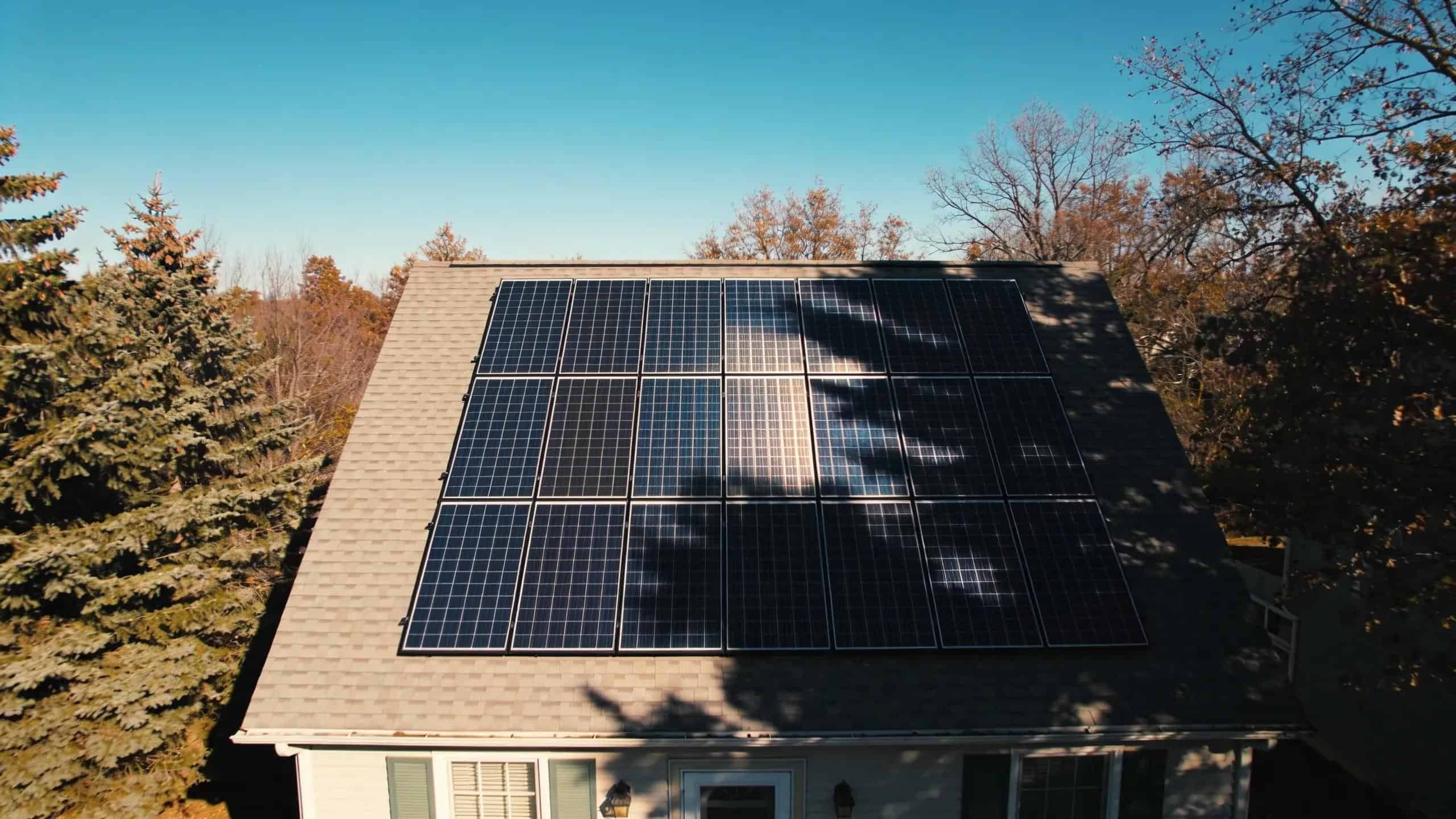
Throughout the year, solar irradiance patterns change in New England, particularly impacting solar energy production. During spring and summer months, sunlight exposure increases, allowing for higher energy production per day. Conversely, in winter, shorter days and snow cover can diminish the amount of sunlight that reaches panels, leading to a notable reduction in energy output. This seasonal variance can affect the total annual energy production, making it essential for homeowners to understand how seasonal changes can impact results and plan accordingly.
How Do Temperature and Weather Variations Influence Photovoltaic Performance?
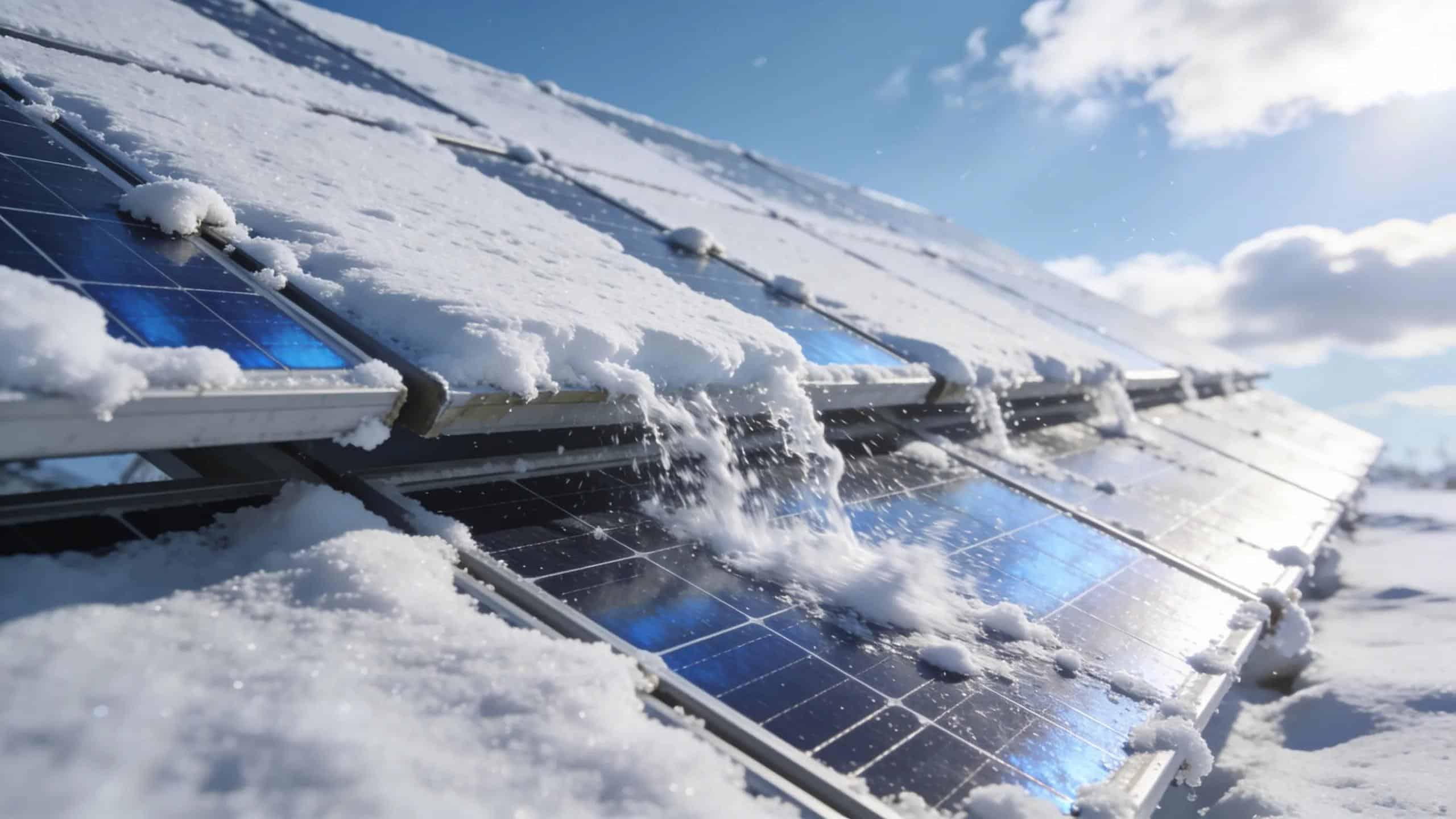
Temperature and weather conditions play a crucial role in the efficiency of solar panels. Solar panels operate most efficiently at cooler temperatures, meaning that they may actually produce more energy on crisp, winter days compared to hot summer afternoons, despite overall lower irradiance. Additionally, weather events such as heavy rain or snow can temporarily block sunlight but can also wash away debris and improve performance post-weather. Understanding these variations helps owners manage their expectations for solar output throughout the year and take proactive measures during extreme weather.
Which Solar Panel Types Are Best Suited for the New England Climate?
When considering solar panels for New England, it’s essential to evaluate which types are most effective. The primary types include monocrystalline, polycrystalline, and thin-film panels, each offering distinct advantages in terms of efficiency, cost, and adaptability to local conditions.
What Are the Efficiency Benefits of Different Photovoltaic Technologies in Massachusetts?
Here’s a comparison of the efficiency benefits of different solar panel types in Massachusetts:
Monocrystalline panels generally offer the highest efficiency, making them ideal for home installations where space is limited. However, polycrystalline and thin-film panels provide more budget-friendly options, especially in larger installations where space is less of a constraint.
How Does Boston Solar Customize Solar Installation Services for Regional Optimization?
Boston Solar tailors its solar installation services to maximize efficiency based on the New England climate. This includes selecting the appropriate panel type, optimizing placement for seasonal sunlight patterns, and offering maintenance plans that adjust according to local weather conditions. These customizations enhance energy efficiency and ensure that solar systems operate effectively throughout the year, maximizing potential energy savings for homeowners.
What Maintenance Practices Optimize Residential and Commercial Solar System Efficiency in New England?
To keep solar systems running at peak efficiency, regular maintenance is crucial. Understanding the best practices for maintaining solar panels can greatly impact their longevity and energy output.
How Often Should Solar Panels Be Maintained to Maximize Output in New England?
Regular maintenance assessments should be performed at least twice a year in New England to ensure that solar panels are functioning efficiently. These checks involve cleaning the panels, inspecting all connections, and monitoring output levels. By adhering to a maintenance schedule, homeowners can prevent small issues from developing into larger, more costly problems.
What Are Seasonal Maintenance Tips for Sustaining Solar Panel Efficiency?
Homeowners should consider the following seasonal maintenance tips to sustain solar panel efficiency:
- Spring Cleaning: Remove debris, leaves, and dust that may accumulate during winter months.
- Summer Checks: Inspect for any wear and tear, especially after severe thunderstorms or high winds.
- Fall Preparation: Trim surrounding vegetation to ensure panels receive maximum sunlight exposure through winter.
- Winter Monitoring: Inspect for snow accumulation and carefully remove snow to prevent excessive weight strain on panels.
By following these actionable seasonal tips, homeowners can optimize their solar systems for energy output throughout the entire year.
How Do Massachusetts and Southern New Hampshire Solar Incentives Improve Financial Returns?
Navigating the landscape of solar incentives in Massachusetts and Southern New Hampshire is vital for maximizing the financial benefits of solar investments. Various rebates, tax credits, and performance incentives are available to encourage solar energy adoption and can significantly improve return on investment (ROI).
What Massachusetts Solar Rebates and Tax Credits Are Available for Energy Efficiency?
In Massachusetts, the following solar rebates and tax incentives are commonly available:
- Mass Solar Loan Program: Offers low-interest loans to promote solar energy adoption.
- SMART Program: Provides payments for generated solar energy over a 20-year period.
- Federal Solar Tax Credit: Up to 30% of the system cost can be claimed in federal tax credits for systems installed by the end of 2022.
These incentives make solar installations more accessible and economically feasible for residents and businesses.
How Can Homeowners and Businesses Leverage Incentives to Boost Solar ROI?
Properly leveraging available incentives can substantially enhance ROI for homeowners and businesses. Here are strategic actions to take:
- Research Available Programs: Stay updated on local and federal programs that evolve regularly.
- Utilize Loan Programs: Consider financing options with favorable rates to mitigate initial costs.
- Claim Tax Credits Promptly: Ensure that all documentation for applicable tax credits is collected and submitted annually.
By actively engaging with these financial incentives, solar investments can yield both significant savings and environmental benefits.
What Strategies Maximize Commercial Solar Panel Efficiency in Boston and New England?
For businesses, maximizing solar panel efficiency involves tailored strategies that address different operational needs and building designs. Certain practices can markedly enhance production and financial returns on commercial solar installations.
How Do Commercial Solar Systems Differ in Design for Seasonal New England Conditions?
Commercial solar systems often require specific design considerations based on New England’s climate. This includes:
- Tilt and Orientation Adjustments: Panels must be installed at optimal angles to capture sunlight effectively throughout various seasons.
- Durability Features: Systems should be designed to withstand heavy snow loads and strong winds typical of the region.
- Large-Scale Integration: Commercial installations must account for overall site layout to ensure unobstructed sunlight access year-round.
These design strategies help create more efficient solar installations that can manage the unique challenges posed by the local climate.
What Are Best Practices for Energy Output Optimization in Business Solar Installations?
Several best practices can enhance energy output specifically for businesses:
- Regular System Monitoring: Implement technological solutions to continuously track energy output.
- Invest in Energy Storage: Utilize battery systems to store excess energy generated during peak sunlight hours.
- Promote Employee Engagement: Educate staff on energy conservation practices to complement solar energy generation.
These practices not only optimize energy output but also foster a culture of sustainability within the organization.
Insights from real-world case studies, such as the one described below, further emphasize the substantial economic and environmental advantages businesses gain from adopting solar energy systems, even in regions with lower solar irradiance like New Hampshire.
Rooftop PV Performance in New Hampshire: Industrial Facility Case Study
This research analyzes the economic and environmental performance of a rooftop photovoltaic (PV) system with an installed capacity of 793.1 kW in an industrial facility in New Hampshire – one of the U.S.’s most expensive electricity markets characterized by low solar irradiance. While most previous studies have relied on simulations or residential-scale systems, this research provides a firm-level, real-world benchmark using five years of operational and financial data (2020–2024).
Empowering Businesses: Economic and Environmental Benefits of Solar Energy in the USA Manufacturing Company, H Saad, 2026
How Can You Monitor and Improve Solar Panel Performance Over Time in New England?
Monitoring solar panel performance is essential for ensuring consistent energy production and identifying potential issues before they escalate. Regular assessments can lead to significant improvements in operational efficiency.
What Are Common Causes of Photovoltaic System Efficiency Degradation?
Several factors may lead to decreased efficiency in photovoltaic systems over time, including:
- Dirt and Debris Accumulation: Dirt can block sunlight, reducing output.
- Component Aging: Aging components may fail, impacting efficiency.
- Environmental Wear: Severe weather conditions can damage panels or connections.
By being aware of these potential issues, homeowners can take preventative action to maintain optimal performance.
Which Tools and Metrics Help Track Seasonal and Annual Solar Output?
Homeowners can leverage various tools to monitor solar system performance effectively. Some commonly used include:
- Online Monitoring Systems: Platforms that provide real-time data about energy production.
- Mobile Apps: Applications that allow tracking via smartphones for ease of access.
- Periodic Performance Reviews: Conducting assessments every few months can highlight trends and necessary adjustments.
Integrating these tools not only aids in tracking performance but also informs adjustments that can enhance overall system efficiency.