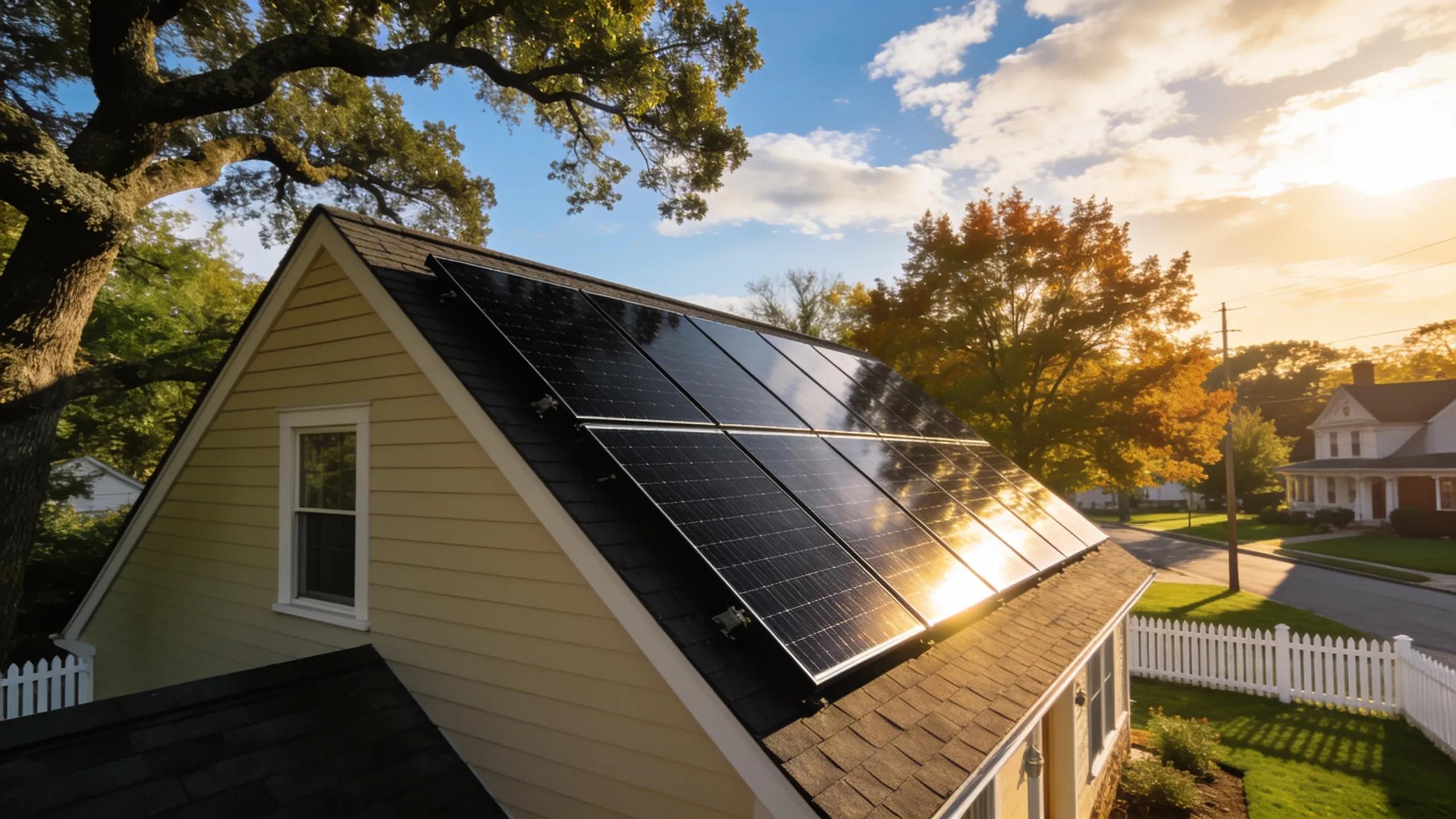


Solar Power Installation Cost in Massachusetts: 2026 Pricing Guide for Homeowners and Businesses
As more residents and businesses in Massachusetts explore sustainable energy solutions, understanding the costs associated with solar power installations becomes essential. This comprehensive guide will provide insights into the solar power installation cost in Massachusetts for 2026, covering average pricing trends, various financial incentives, and the overall solar installation process. Readers will learn how these installations not only contribute to cost savings over time but also promote environmental sustainability. The information presented here aims to help individuals and businesses make informed decisions about investing in solar energy systems. Key topics will include average system costs for both residential and commercial installations, available rebates and tax credits, financing options, and a review of the top local solar installers, including Boston Solar’s competitive offerings.
What is the average solar panel system cost in Massachusetts for 2026?
In 2026, the average cost to install solar panel systems in Massachusetts varies based on system size and installation specifics, with residential systems generally priced around $12,000 to $20,000 before incentives. This price range reflects the influx of solar technology and market adjustments in response to demand. The price often includes necessary components such as solar panels, inverters, and mounting structures, alongside labor costs for installation.
How do residential and commercial solar installation costs compare in Massachusetts?
Residential solar installation costs typically fall between $12,000 and $15,000 for an average-sized home, while commercial installations may range significantly higher, often between $30,000 and $100,000 depending on the building size and energy needs. The factors influencing these costs include system capacity, equipment quality, and installation complexity. Businesses might incur higher upfront costs, but they often benefit from larger energy savings and state incentives that can lower their total expenses effectively.
Which cost components affect solar installations: materials, labor, and permits?

The total cost of solar installations in Massachusetts involves several key components:
- Materials: Solar panels, which account for the largest portion of the cost, vary in price based on technology and efficiency ratings. High-quality panels may cost more but offer better long-term savings.
- Labor: Installation labor costs vary by region; companies with more experience or specialized expertise may charge higher rates.
- Permits: Local regulations require various permits which can add additional costs to installations—this includes zoning permits and building permits necessary for compliance with Massachusetts regulations.
By understanding these components, homeowners and businesses can better estimate their solar investments and plan for potential expenses.
What Massachusetts solar energy rebates and tax credits reduce installation costs in 2026?
Massachusetts residents and businesses can take advantage of various credits, rebates, and incentive programs that significantly reduce the overall cost of solar installations. In 2026, the incentives available will provide financial relief to those looking to invest in solar power.
How do federal ITC and Massachusetts state solar tax credits apply in 2026?
The Federal Investment Tax Credit (ITC) allows homeowners and businesses to deduct a percentage of the cost of installing a solar energy system from their federal taxes. In 2026, this tax credit is set at 30%, a significant reduction in upfront costs. Additionally, state solar tax credits in Massachusetts complement this federal incentive by providing further reductions, making solar energy more accessible to various customers.
What local incentives and rebate programs are available for Massachusetts residents and businesses?

Massachusetts offers several local programs aimed at supporting solar adoption, which may include:
- Mass Solar Loan Program: This program provides low-interest loans to support the purchase of solar systems.
- SMART Program: This initiative offers incentives based on the amount of energy produced, encouraging residents and businesses to invest in solar technology.
- Net Metering: Allows solar energy users to receive credits for excess energy produced, offsetting their utility costs.
These programs serve to lessen the financial burden of transitioning to solar power, promoting greater adoption throughout the Commonwealth.
Which solar panel financing options are available in Massachusetts for 2026 installations?
Understanding the financing options available for solar installations is crucial for individuals and businesses in Massachusetts. In 2026, several avenues exist to ease the financial commitment associated with purchasing solar systems.
How do leasing, loans, and PPAs compare for Massachusetts solar customers?
- Leasing: Many companies offer solar leases, allowing customers to install a system with little or no upfront cost while paying a fixed monthly lease payment. However, customers do not own the system outright.
- Loans: Solar loans are available for those wishing to purchase their system outright. This option leads to ownership and the ability to claim applicable tax credits and incentives.
- Power Purchase Agreements (PPAs): With a PPA, customers agree to purchase the electricity generated by a solar system at a predetermined rate. This can be an attractive alternative for those who want solar power without high upfront costs.
Each financing option has its pros and cons, and the choice may depend on individual financial situations and preferences.
What return on investment can Massachusetts solar customers expect?
Homeowners and businesses in Massachusetts can anticipate impressive returns on their solar investments, typically seeing payback periods ranging from 5 to 7 years. The savings generated through lowered electricity bills, alongside the benefits of tax credits and state incentives, contribute to a rewarding financial outcome over time. Furthermore, increased property value due to solar installations adds to the long-term financial benefits.
What is the typical solar installation process and timeline in Massachusetts?
The solar installation process involves several key steps that must be followed to ensure compliance and efficiency. The typical timeline from initial consultation to final inspection can span approximately 8 to 12 weeks.
How long does each step take: consultation, design, permits, installation, and inspection?
- Consultation: Initial meetings to assess needs and energy usage may take 1 to 2 weeks.
- Design: Custom system design can take an additional 1 to 3 weeks, factoring in site evaluations and energy assessments.
- Permits: Securing necessary permits can often range from 2 to 4 weeks, depending on local government regulations.
- Installation: The installation process itself generally takes 1 to 2 weeks, depending on system size and existing infrastructure.
- Inspection: Final inspections usually occur within 1 week after installation is complete.
Understanding this timeline helps customers know what to expect throughout the installation process.
What permits and inspections are required for Massachusetts solar installations?
Various permits and inspections are essential when installing a solar system in Massachusetts to ensure compliance with local regulations. These typically include:
- Building Permits: Required for structural modifications.
- Electrical Permits: Necessary for connecting solar systems to the electrical grid.
- Final Inspection: Ensures systems meet safety and operational standards.
These regulatory steps protect both the homeowners and the broader public, ensuring reliable and safe energy generation.
Who are the top local solar installers in Massachusetts and how does Boston Solar compare?
When considering solar installation, it is vital to explore reputable local providers in Massachusetts. There are several well-regarded companies, each with unique offerings and expertise.
What differentiates Boston Solar’s pricing transparency and local expertise?
Boston Solar stands out due to its commitment to pricing transparency and its extensive understanding of the state’s solar landscape. Unlike many competitors, Boston Solar provides clear pricing structures and detailed consultations, helping customers feel confident in their investment choices. Their local expertise allows them to navigate specific regulations effectively, ensuring a smooth installation process.
How do customer reviews and case studies support installer reliability?
Customer reviews play a significant role in establishing the credibility of solar installation companies. Boston Solar has received positive feedback for their transparency, customer service, and quality of work, which helps build trust with potential customers. Case studies showcasing successful installations further illustrate their reliability and commitment to excellence in solar energy solutions.
What are common questions about solar power installation cost in Massachusetts for 2026?
As homeowners and business owners delve into the solar installation process, several frequently asked questions arise regarding costs, savings, and benefits.
How much do solar panels cost per watt in Massachusetts?
As of 2026, the cost of solar panels in Massachusetts averages around $2.50 to $3.00 per watt, subject to various market factors and tech advancements. This pricing trend reflects the ongoing improvement and competitiveness of solar technology and often includes necessary components for installation.
What savings come from net metering policies in Massachusetts?
Net metering policies in Massachusetts allow solar panel users to receive credit for surplus energy produced and returned to the grid. This arrangement effectively offsets electricity costs, with many customers realizing substantial savings annually. The financial benefits of net metering combine with state incentives, making solar power an appealing investment for many residents and businesses.