

How Many Solar Panels Does Your House Need? 2026 Solar Panel System Sizing Guide
Determining the number of solar panels needed for your home is crucial for optimizing “energy efficiency” and cost savings. With solar energy becoming an essential part of sustainable living, understanding how to size your solar system will help you harness its full potential. This guide will provide you with the necessary insights to calculate your home’s energy requirements, the impact of solar panel wattage, and regional influences on energy production. Homeowners often face challenges in accurately estimating how many solar panels they will need, leading to potential oversizing or undersizing of their systems. Our guide aims to clarify these essential calculations and considerations, helping you make informed decisions about your solar energy system. We will cover aspects such as calculating energy usage, assessing solar panel wattage, and factors like regional solar insolation that affect panel requirements.
How Do You Calculate Your Home’s Energy Usage for Solar Sizing?
Understanding your home’s energy needs is the first step in determining how many solar panels you require. By accurately calculating your monthly energy consumption, you can tailor your solar system to meet those demands. The importance of this process cannot be overstated, as it directly influences the effectiveness and “cost-efficiency” of your solar installation.
What Is Average Home Energy Consumption in Massachusetts and New Hampshire?
The average energy consumption for homes in Massachusetts and New Hampshire varies significantly due to differing local climates and home types. Typically, households in Massachusetts consume around 550 to 800 kWh per month, while New Hampshire homeowners average between 600 to 900 kWh. Several factors contribute to these differences, including energy efficiency measures, heating methods, and the penetration of renewable energy sources in the regions. Understanding these statistics aids in setting a baseline for solar sizing.
How to Measure Your Home’s Monthly Electricity Usage in Kilowatt-Hours
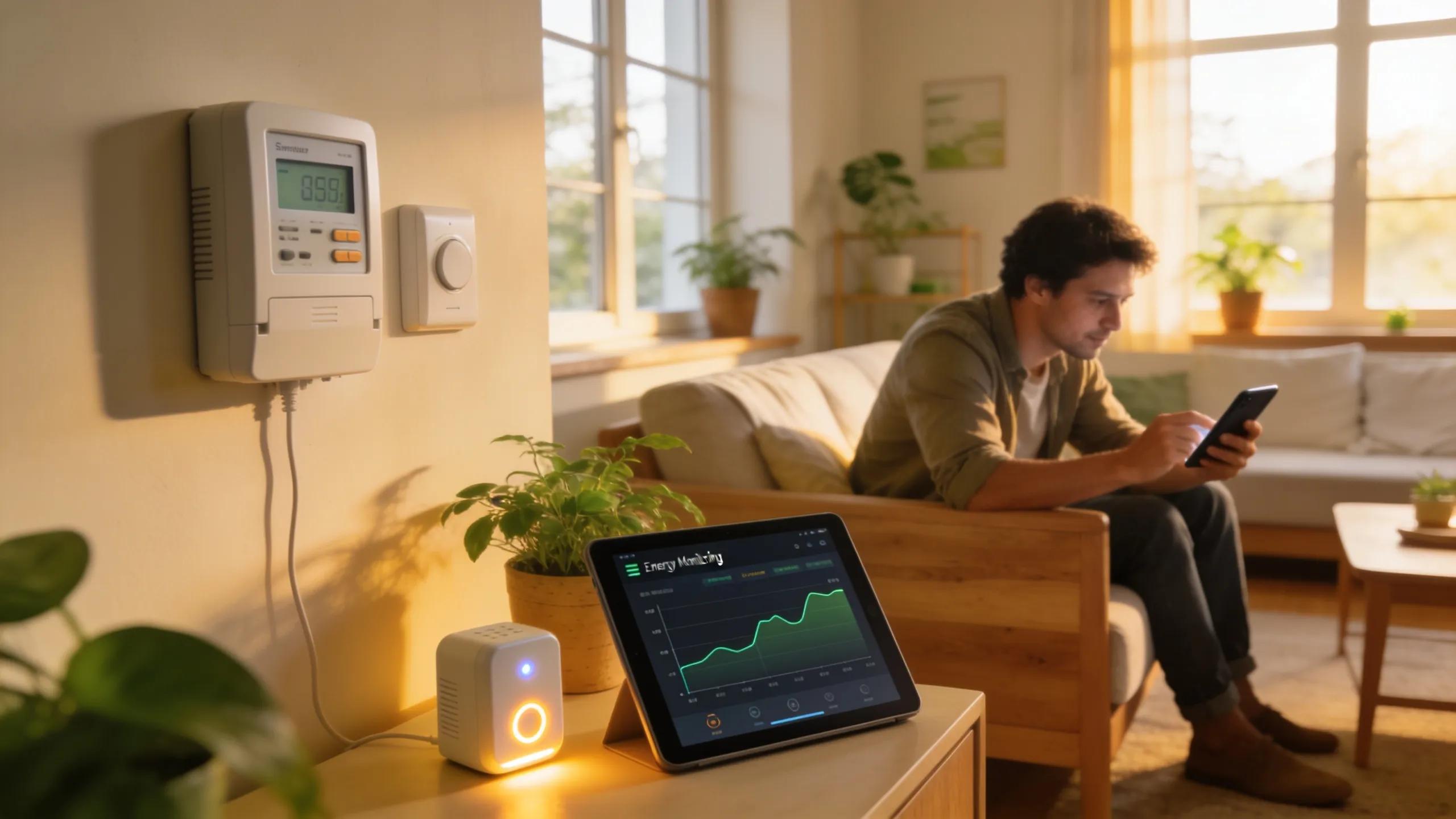
Measuring your home’s monthly electricity usage in kilowatt-hours (kWh) can be done through your utility bill, which provides a clear breakdown of your energy consumption. Homeowners can also use energy monitoring devices or smart meters that offer real-time data. By tracking your usage over several months, you can account for seasonal fluctuations and gain a comprehensive understanding of your energy needs, allowing for more accurate solar system sizing.
What Are Solar Panel Wattage Ratings and How Do They Affect System Size?
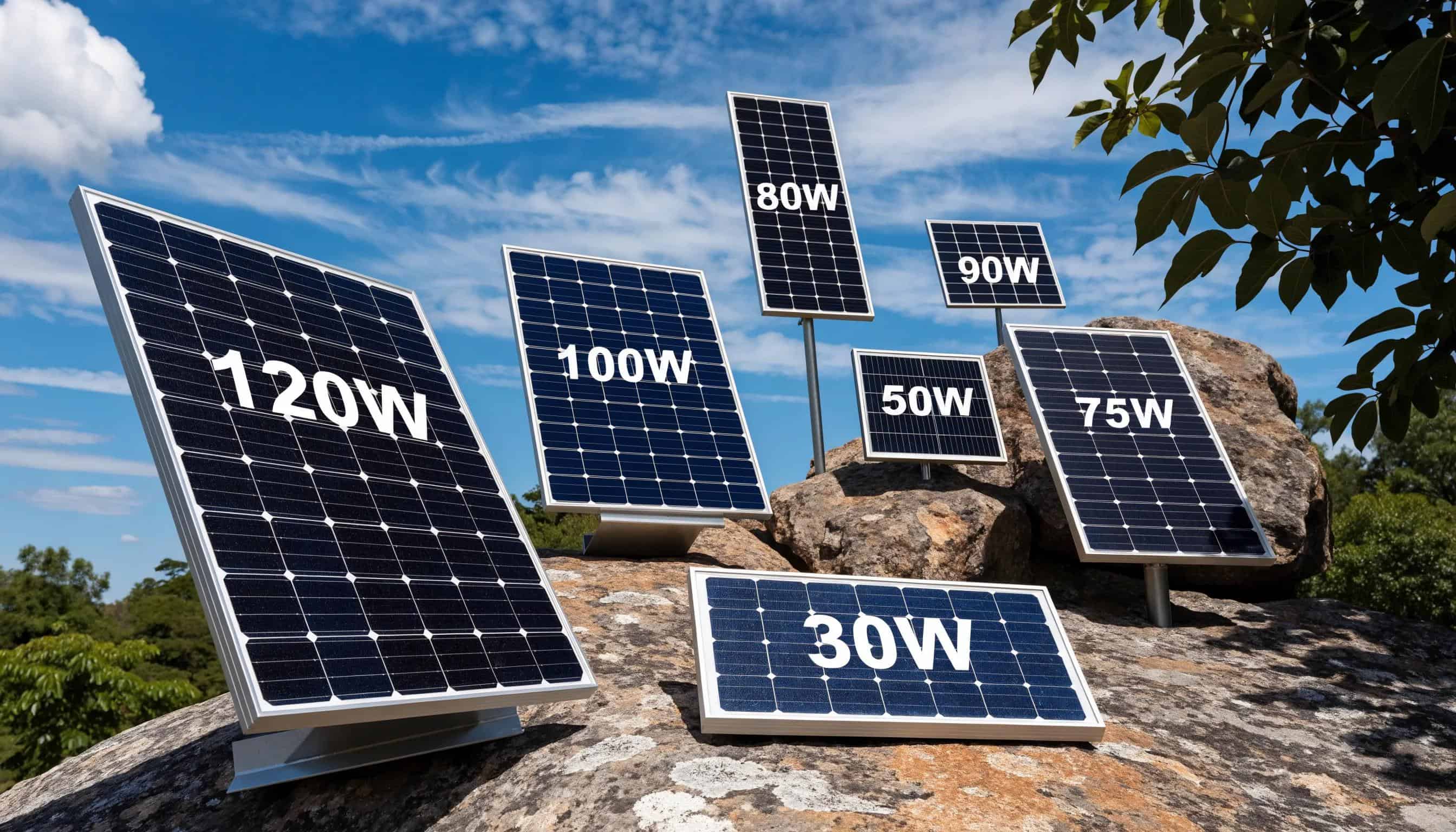
Solar panel wattage ratings are critical in determining how many panels are needed to meet your energy demands. The wattage, which indicates the power output of each panel under standard testing conditions, plays a significant role in overall system design. Understanding these ratings can help you make informed choices to optimize performance and cost-effectiveness.
How Much Electricity Does One Solar Panel Produce on Average?
On average, a standard solar panel will produce between 250 to 400 watts per panel, depending on the efficiency and technology used. For correctly sizing a solar system, this means that a system of 20 panels rated at 300 watts could yield approximately 6,000 watts under peak conditions, resulting in substantial energy production throughout the year. This insight allows homeowners to match their energy needs with the appropriate number of panels.
How to Compare Solar Panel Wattage and Efficiency for Better Sizing
When selecting solar panels, it’s essential to consider both the wattage ratings and the efficiency percentages of various brands. Higher efficiency panels can produce more electricity from the same amount of sunlight, meaning they require fewer panels to achieve your energy goals. This analysis helps homeowners weigh the upfront cost against long-term savings, as more efficient systems often lead to better financial returns.
How Does Regional Solar Insolation Impact the Number of Panels You Need?
Regional solar insolation—the amount of sunlight reaching the ground in your area—has a significant impact on solar panel performance and the overall energy output. Understanding your region’s solar insolation levels can guide you in accurately sizing your solar system to ensure you generate enough electricity year-round.
What Is Solar Insolation and Why Is It Important for Massachusetts Homeowners?
Solar insolation is measured in kilowatt-hours per square meter per day (kWh/m²/day) and indicates the average solar energy available to solar panels in a particular location. Massachusetts, with average insolation values of 4 to 5.5 kWh/m²/day, allows for effective solar energy generation, especially in the sunnier months. Homeowners need to consider these metrics to calculate how many panels they need to offset their energy usage effectively.
How Seasonal Weather Affects Solar Panel Output in New England
In New England, seasonal variations can significantly influence solar panel output. During the winter months, shorter days and less sunlight can reduce electricity production, while summer months typically yield higher outputs due to longer daylight hours. Homeowners should adjust their calculations based on this seasonal variability to ensure they have enough capacity to meet their energy needs throughout the year.
How Can You Calculate the Right Number of Solar Panels for Your Home System?
To accurately determine the number of solar panels needed for your home, certain formulas are employed by professionals based on energy usage, panel efficiency, and solar insolation levels in your area. Understanding this calculation can guide you in making the right investment in solar technology.
What Formula Do Professionals Use to Determine Solar Panel System Size?
The most common formula involves dividing your average monthly energy consumption in kWh by the solar panel output in kWh per panel, which can be estimated using the panel’s wattage and the average sunlight hours in your location. For example, if a home uses 900 kWh per month and each panel produces around 300 kWh/month, the homeowner would need approximately three panels to cover their energy needs. This basic understanding enables effective planning and budgeting for solar energy systems.
How to Use a Solar Energy System Calculator to Estimate Panel Count
Utilizing a solar energy system calculator can simplify this process significantly. These online tools allow you to input your energy usage, local solar conditions, and panel efficiency ratings to provide an estimated number of panels required. This method also often factors in other variables such as roof orientation, shading, and age of home, providing a comprehensive picture of what a solar installation would look like on your property.
For those considering adding solar panels to their home, consulting with experts can yield tailored solutions to maximize energy efficiency and potential savings. Boston Solar offers a free consultation that can help homeowners design a custom solar system based on their specific energy needs and property characteristics, ensuring optimal performance and return on investment.