

Custom Solar Installation in Massachusetts: Savings and Design
In Massachusetts, homeowners are increasingly turning to solar energy as a viable option for reducing their electricity bills and contributing to a more sustainable future. Custom solar panel installations offer tailored solutions that cater to the specific needs and characteristics of individual homes. This guide delves into the benefits of solar power, the potential savings, and the financing options available for residents considering solar technology. The focus will be on how homeowners can leverage incentives to maximize savings and enhance their property value. We will also explore the installation process, financing choices, and long-term benefits of investing in home solar systems.
Custom Design Options
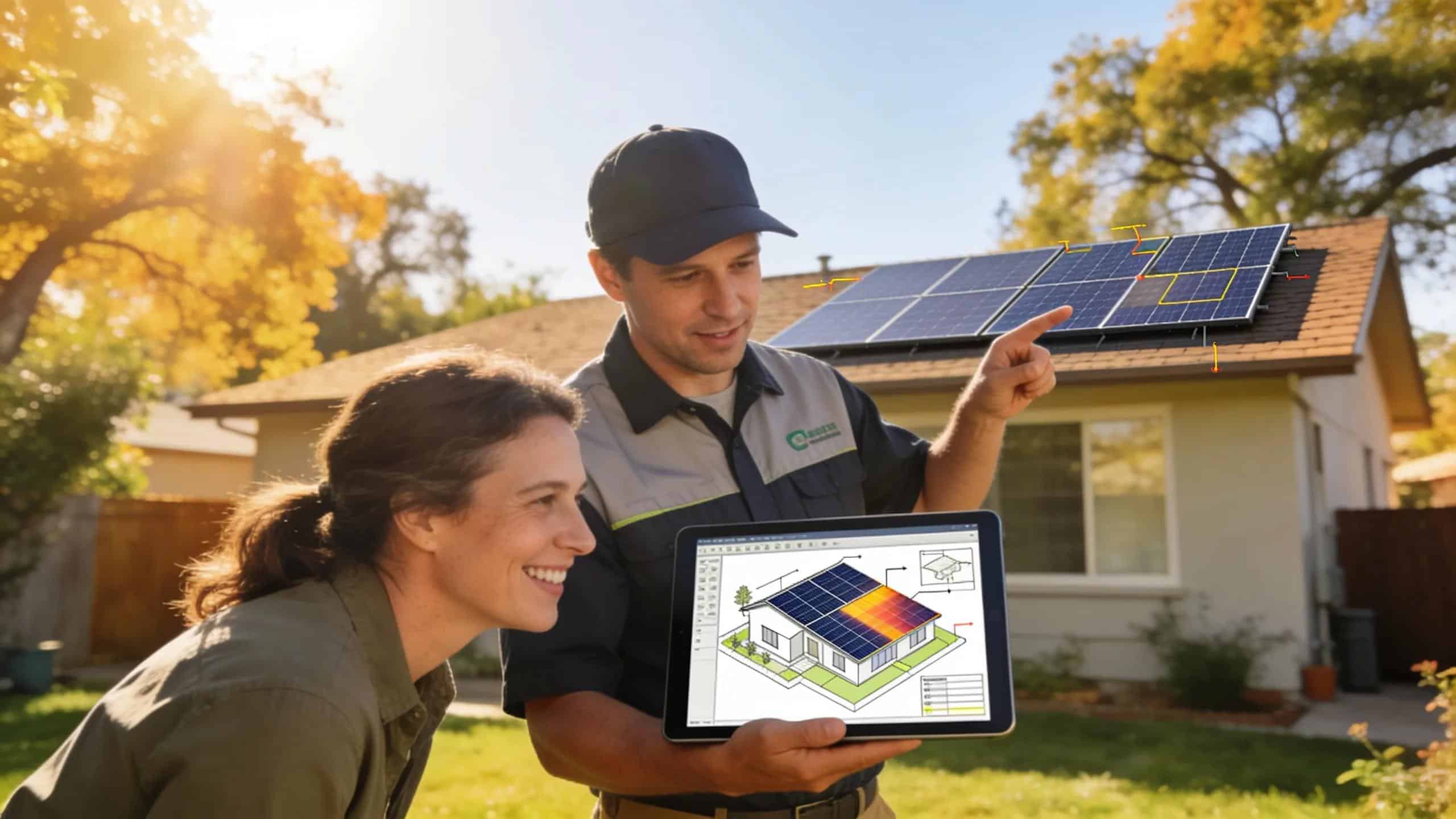
Custom solar panel installation allows homeowners to optimize energy production based on their home’s unique features and energy consumption patterns. Tailored designs ensure that each solar array is maximized for efficiency and aesthetics, creating a seamless integration with the property. This approach considers various factors, including the orientation of the roof, shading from nearby trees or buildings, and individual energy needs.
Performance Optimization
With a custom-designed solar system, homeowners can achieve significant performance optimization. By analyzing factors such as local weather patterns and home layouts, solar specialists can recommend the ideal placement of solar panels, ensuring maximum sun exposure throughout the day.
Aesthetic Considerations
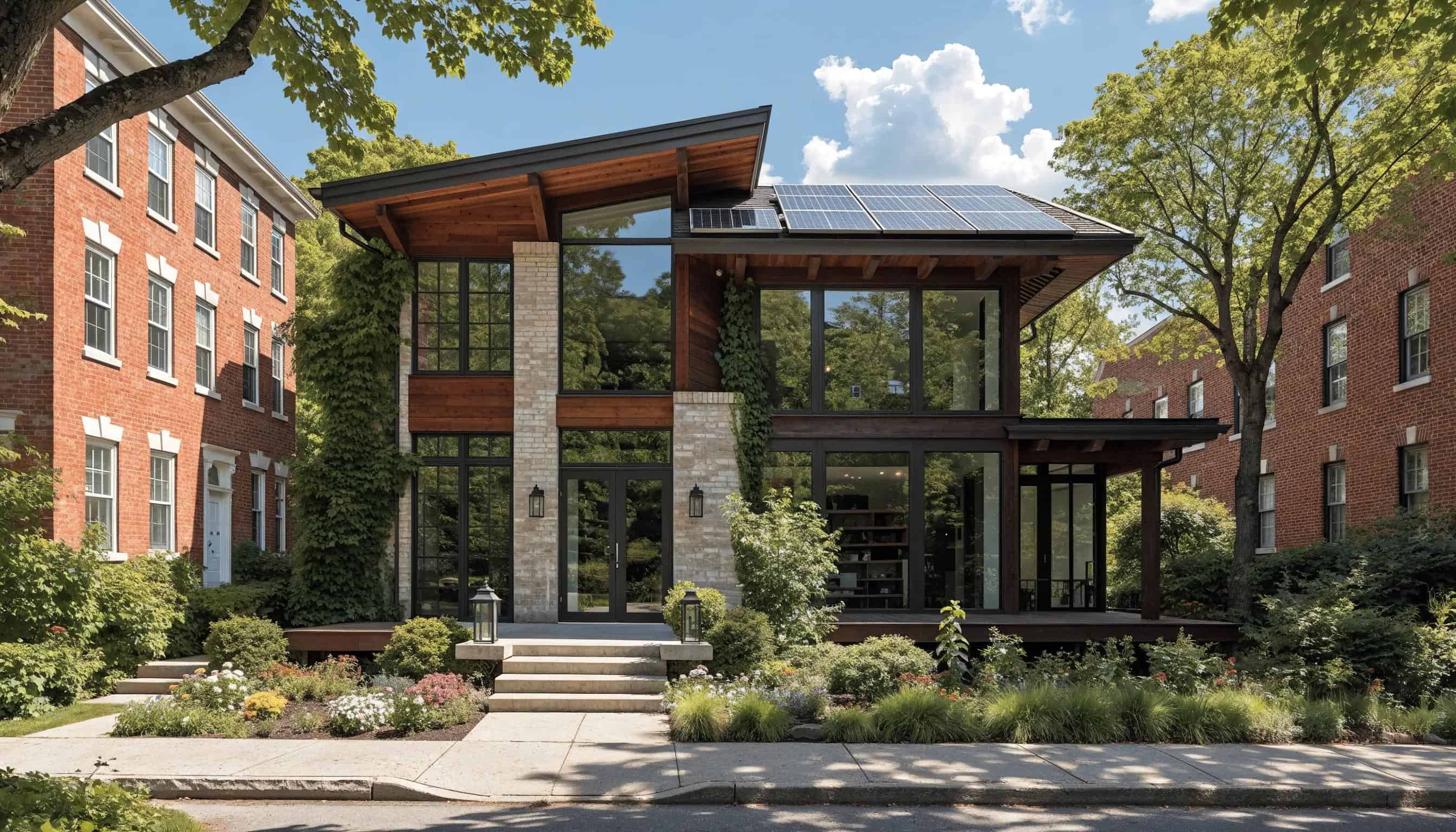
Aesthetic considerations play a crucial role in custom solar designs. Homeowners can select from various styles and colors for their solar panels, allowing for a harmonious fit with existing architectural elements. This ensures that the environmental benefits of solar energy do not come at the expense of the home’s visual appeal.
Potential Savings
One of the most compelling reasons to invest in solar panel installation is the potential for significant savings on energy bills. By generating their own electricity, homeowners can drastically reduce their reliance on utility providers.
Reduction in Electricity Costs
By harnessing solar energy, homeowners can lower their electricity costs substantially. Those who install solar panels may see their utility bills decrease, often saving up to 100% on their energy expenses, especially when implemented with net metering systems.
Importance of Incentives
Incentives available in Massachusetts further enhance the cost-effectiveness of solar installations. Programs such as the SMART (Solar Massachusetts Renewable Target) program and various tax credits can significantly drive down the initial costs associated with solar panel systems.
Cash-flow Analysis Post-Installation
Conducting a cash-flow analysis post-installation is vital. Homeowners can assess how the savings from their reduced energy bills compare against the initial investment and financing costs. With average installation costs ranging from $12,000 to $25,000 and the potential for a 4.1% increase in home value, solar installations present a robust financial case for many Massachusetts residents.
Increased Home Value
Installing solar panels not only saves homeowners money on their energy bills but also increases their property’s overall market value.
Impact on Property Assessments
Solar installations are generally seen as valuable enhancements to a home. Studies indicate that homes with solar panels are often appraised higher than similar properties without them, primarily reflecting the savings generated over time.
Market Trends
Market trends illustrate a growing preference for energy-efficient homes among buyers. This shift means that properties equipped with solar solutions are likely to experience higher demand, fetching better resale values.
Financing Options
Homeowners have several financing options available when considering solar panel installation. Understanding these can help mitigate upfront costs while ensuring a return on investment.
Different Types of Loans
Home equity loans, personal loans, and solar-specific loans provide various means of financing solar systems. Each option comes with unique terms and benefits that cater to different financial situations.
Leases
In some cases, leasing solar panels may be an attractive option for homeowners who want to avoid upfront costs. Lease agreements often include maintenance, providing a hassle-free way to utilize solar energy.
Power Purchase Agreements
Power purchase agreements (PPAs) allow homeowners to buy electricity generated by the panels installed on their roofs, often at a fixed rate, which can be lower than local utility rates. This arrangement helps manage energy costs while avoiding large initial investments.
Long-Term Benefits
The long-term benefits of solar power extend beyond immediate savings and increased home value.
Lifespan of Solar Panels
Solar panels typically come with warranties of 20 to 25 years, with many systems lasting even longer. This long lifespan ensures that homeowners can enjoy renewable energy benefits for many years without incurring additional costs.
Maintenance Requirements
Solar systems require minimal maintenance, primarily involving periodic cleaning and inspections. This low-maintenance nature contributes to their cost-effectiveness over time.
Contribution to Renewable Energy
By choosing solar energy, homeowners contribute to the broader goal of reducing carbon footprints and promoting renewable energy sources. This aligns with global efforts to combat climate change and protect the environment for future generations.
What Are the Key Benefits of Residential Solar Power in Massachusetts?
Residential solar power offers substantial advantages for homeowners, including:
- Financial Savings: Reduces utility bills and provides potential increases in home value.
- Environmental Impact: Lowers carbon footprints and promotes renewable energy.
- Available Incentives: Benefits from state and federal tax credits enhance affordability.
How Can Solar Panels Reduce Your Home Energy Costs?
Solar panels can significantly reduce home energy costs through various mechanisms:
- Electricity Bill Reduction: Homeowners who generate their own energy see a notable decrease in monthly expenses.
- Net Metering Benefits: Surplus electricity generated can often be sold back to the grid, further enhancing savings.
- Long-Term Cost Savings: Over time, solar energy can lead to more considerable savings compared to traditional energy sources, with average payback periods of 6 to 9 years.
What Environmental Advantages Does Solar Energy Offer to Massachusetts Homeowners?
Solar energy provides significant ecological benefits:
- Reduction of Carbon Footprint: Transitioning to solar energy decreases dependence on fossil fuels and their associated emissions.
- Energy Independence: Homeowners can generate their own electricity, reducing reliance on external energy sources.
- Habitat Preservation: Utilizing clean energy contributes to less disruption of ecosystems compared to conventional energy harvesting methods.
Which Massachusetts Solar Incentives and Tax Credits Can You Use?

Homeowners considering solar energy can take advantage of several financial incentives, including:
- Federal Tax Credit: Homeowners may claim a credit of 30% of the installation costs against their federal taxes.
- State Tax Credits: Massachusetts provides a tax credit for solar installations, with specifics subject to change, so it is important to check current state guidelines.
- Net Metering: Allows homeowners to receive credit for excess energy sent back to the grid, enhancing financial benefits.
What State and Federal Solar Energy Tax Credits Are Available in MA?
Various tax credits are available to Massachusetts homeowners, including:
- Federal Investment Tax Credit: Offers 30% of the installation cost back on federal income taxes.
- Massachusetts Tax Credit: Previously offered a 15% tax credit, up to $1,000, for solar installations, subject to specific regulations that may change.
- Sales Tax Exemptions: Homeowners are exempt from sales tax for solar installation purchases, maximizing savings.
How Do Massachusetts Solar Incentives Lower Installation Costs?
State and federal solar incentives are designed to reduce upfront costs for installations:
- SMART Program Specifics: This incentive program provides ongoing credits for solar energy produced, further lowering financial barriers.
- Net Metering Savings: Offers homeowners compensation for energy fed back into the grid, creating additional savings.
- Overall Cost Reduction: By combining various incentives, homeowners can significantly reduce their initial investment, making solar energy more accessible.
How Does the Custom Home Solar Panel Installation Process Work in Massachusetts?
The process for custom home solar panel installation typically follows these steps:
- Consultation: Homeowners discuss their energy needs and objectives to determine the best solar solution.
- Design and Permitting: Custom designs are created followed by obtaining necessary local permits before installation.
- Installation: Solar panels and equipment are installed by experienced professionals, usually within a few days.
What Steps Are Involved in Designing a Custom Solar System for Your Home?
Designing a custom solar system involves several critical steps:
- Site Evaluation: Analyzing the property to assess solar potential based on location and local weather patterns.
- System Sizing: Determining the appropriate size of the solar array to meet energy needs effectively.
- Permitting: Securing local government approvals necessary for installation, ensuring compliance with regulations.
How Long Does Residential Solar Installation Typically Take in Boston and Surrounding Areas?
The timeline for residential solar installation can vary:
- Overall Timeline: From signed contracts to operational status typically takes around 3 to 6 months.
- Installation Duration: The actual installation of solar panels usually requires between 1 to 2 days, depending on system size and complexity.
What Are the Typical Costs of a Home Solar System in Massachusetts?
The costs associated with solar installation can range widely based on various factors:
- Installation Costs Overview: Typical costs can range from $10,000 to $30,000, depending on the size and complexity of the system.
- Factors Affecting Pricing: Factors include property size, system type, and applicable incentives that can lower the final cost.
- Long-Term Savings: After accounting for incentives, average costs can drop to between $15,000 and $25,000, offering substantial savings over time.
How to Calculate Your Solar Panel Installation Cost and Savings in MA?
To calculate solar panel installation costs and savings, homeowners should consider:
- Calculating Upfront Costs: Review the total installation cost, including equipment and labor.
- Consideration of Incentives: Factor in applicable tax credits and rebates that will lower the financial burden.
- Long-Term Savings Projections: Evaluate potential savings on energy bills over the system’s lifespan to determine overall financial benefits.
Why Choosing Local Solar Panel Installation Companies in Boston Offers Value?
Opting for local solar installation companies can provide several advantages:
- Local Expertise: Local firms often have a better understanding of regional regulations and climate factors, ensuring optimal system performance.
- Community Support: Supporting local businesses fosters community growth and economic development.
- Personalized Service: Local companies are more likely to offer tailored service and ongoing support, resulting in a smoother installation experience.