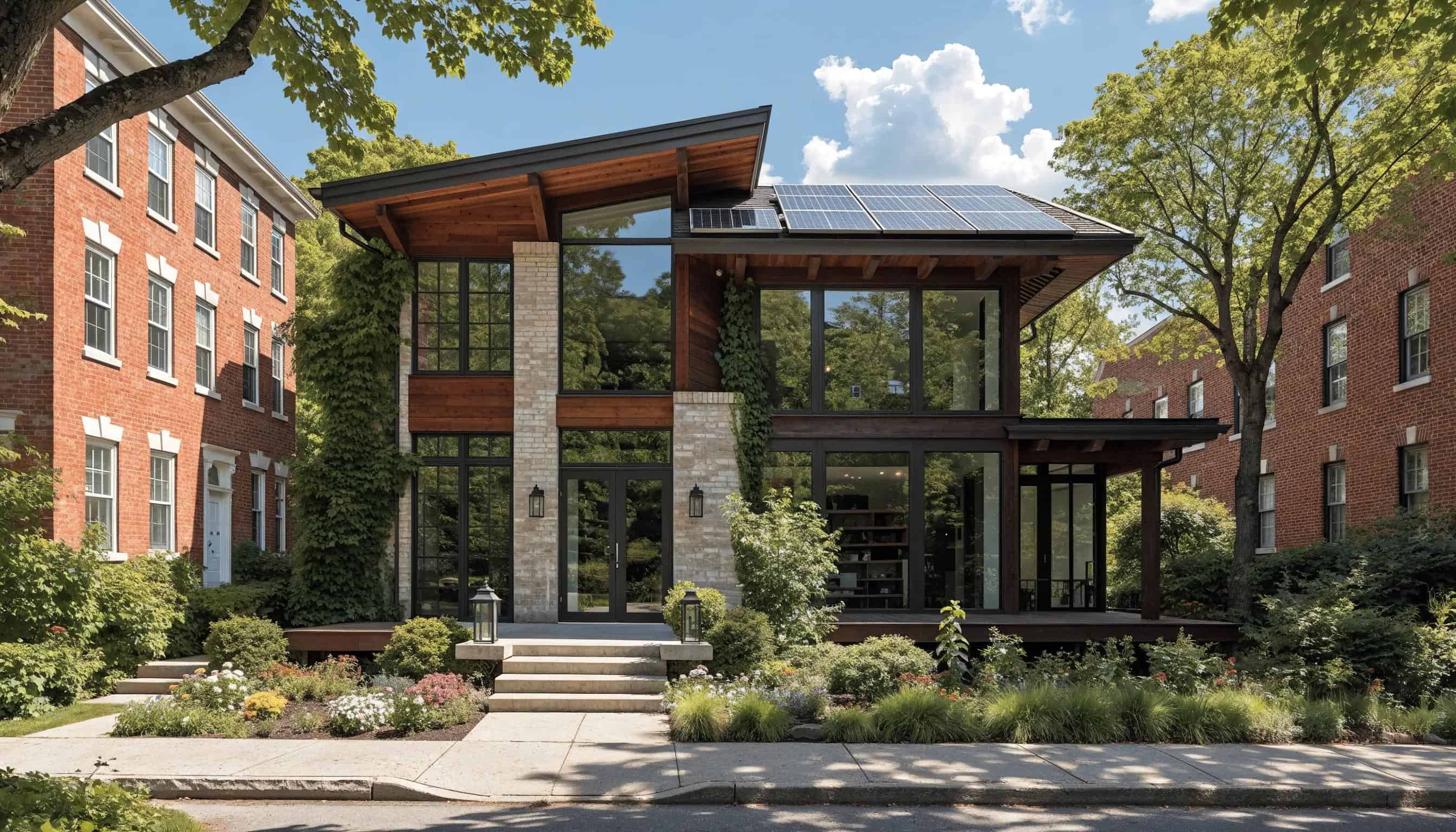


Get Home Solar Panel Installation in Boston | Expert Local Service
Residential Solar Installation in Boston: A Complete Guide

Harnessing solar energy is an excellent way for homeowners in Boston to reduce their energy costs and contribute to environmental sustainability. The transition to solar panels not only advances individual savings on energy bills but also plays a significant role in achieving broader energy independence goals within communities. This article provides a comprehensive overview of the residential solar installation process unique to Boston. Additionally, it highlights available solar tax incentives and rebates specifically for Massachusetts homeowners. Moreover, you’ll discover what typical costs and financing options are, keeping in mind the value of choosing local solar energy installers. Let’s delve into these key aspects of home solar installation in Boston.
How Does the Residential Solar Installation Process Work in Boston?
The residential solar installation process in Boston involves several key steps designed to ensure an efficient and effective system is provided to homeowners. Understanding these processes is crucial for homeowners considering this sustainable energy option, as it helps in setting expectations and ensures a smooth transition.
What Are the Step-by-Step Stages of Installing Solar Panels at Home?
The installation of solar panels at home comprises several vital stages:
- Initial Consultation: Homeowners meet with solar installation experts to discuss energy needs, budget, and site assessment.
- Design and Proposal Stage: A customized solar system design is created based on the assessment. Homeowners receive a comprehensive proposal outlining system specifications, costs, and financing options.
- Installation: The installation team works on-site to set up the solar panels, inverters, and any additional equipment. Post-installation, a final inspection ensures everything operates correctly.
Each stage is designed to provide a seamless experience for homeowners while ensuring compliance with local regulations and maximizing system efficiency.
How Does Local Expertise in Boston Ensure a Smooth Installation Experience?
Local expertise plays a crucial role in the solar installation process in Boston. Skilled installers are well-versed in local regulations, building codes, and the specific challenges posed by New England’s weather. Their familiarity with regional utility companies further streamlines interconnection processes, ensuring that solar systems are integrated smoothly into the existing energy grid. This local knowledge not only enhances service quality but also minimizes potential delays and complications throughout the installation process.
What Solar Tax Incentives and Rebates Are Available for Massachusetts Homeowners?
For Massachusetts homeowners, various solar tax incentives and rebates can significantly reduce the cost of solar panel installation. Understanding these options can make the transition to solar energy financially beneficial.
Which Massachusetts Solar Incentives Can Reduce Your Installation Costs?
Several incentives are available for homeowners looking to install solar panels in Massachusetts:
- Massachusetts State Rebate Program: This program provides rebates for solar panel installations based on the system’s size, which can significantly decrease upfront costs.
- SMART Program: The Solar Massachusetts Renewable Target (SMART) program offers compensation for homeowners for every kilowatt-hour of energy their solar system produces.
- Local City Programs: Many cities offer additional rebate programs that can be stacked on top of state incentives, providing further financial relief.
These incentives ensure that homeowners not only save on installation costs but also enjoy continued financial benefits through energy generation.
Massachusetts Residential Solar Policies & Incentives
1. The success of alternative energy policies is usually measured in terms of energy capacity. By this metric, state-level policies to promote solar installations in New Jersey and Massachusetts have been a success. To fully evaluate these policies, however, it is necessary to consider how these policy programs are structured and funded, who participates in these programs, and the complete life cycle consequences of “clean” energy technologies. This paper focuses specifically on residential solar installations, which represent more than half of the total US rooftop solar capacity potential. It takes a multidisciplinary approach that draws on policy analysis, spatial and demographic analyzes, and life cycle assessment. The analyzes reveal three key conclusions: first, state-level policies have shifted from subsidies for solar installations to incentive-based support based on system performance, which has reduced the payback period for residential solar to less than 10 years and has contributed to the growth of third-party leasing companies. A rooftop revolution?
A multidisciplinary analysis of state-level residential solar programs in New Jersey and Massachusetts, AB Griffith, 2014
How Do Federal and State Tax Credits Work Together in Boston?
In Boston, homeowners can also take advantage of federal tax credits in conjunction with state incentives. The federal Investment Tax Credit (ITC) allows homeowners to deduct 30% of installation costs from their federal taxes through 2032. By combining this with Massachusetts state incentives, homeowners can maximize their savings, making solar installation more affordable. This synergistic approach to tax credits ultimately results in significant overall cost reductions for Massachusetts homeowners investing in solar energy.
What Are the Typical Costs and Financing Options for Home Solar Panels in Boston?
Navigating the cost associated with solar panel installation can be daunting, yet it’s essential for homeowners to understand typical pricing and available financing alternatives to make informed decisions.
How Much Does Residential Solar Panel Installation Cost in Boston?
The average cost for residential solar installation in Boston varies based on several factors, including the size of the system and specific installation requirements. Generally, homeowners can expect to pay around $3.00 to $4.00 per watt. For a standard 6kW system, that could amount to approximately $18,000 to $24,000 before incentives. This cost reflects equipment, labor, and any necessary permits while providing an estimate for budgeting.
What Local Financing Plans and Solar Loans Are Available to Massachusetts Residents?
Massachusetts residents can explore different financing options to suit their budgets, including:
- Solar Loans: Many local banks and credit unions offer specific solar loans tailored for individuals looking to finance their installation.
- Leasing Options: Some homeowners may opt to lease solar panels, relieving them from the upfront cost while benefiting from reduced energy bills.
- Power Purchase Agreements (PPAs): With a PPA, homeowners can agree to purchase the power generated by the solar system at a predetermined rate, which usually remains lower than traditional utility rates.
These options help homeowners manage the costs associated with solar installation while gaining the long-term benefits of clean energy.
Why Choose Local Solar Energy Installers in Boston for Your Home?
When selecting a solar energy installer, the benefits of choosing local companies can significantly differentiate the overall experience and ensure compliance with local regulations.
What Qualifications and Experience Should You Look for in Boston Solar Installers?
Homeowners should seek installers with the following qualifications:
- Certifications: Look for NABCEP certification, which ensures the installer has proven knowledge in solar energy systems.
- Experience: A strong track record in the local area ensures familiarity with specific installation challenges related to Boston’s climate and building codes.
- Customer Service: Selecting a company noted for exceptional customer service guarantees support throughout the installation process.
Investing time into finding qualified local installers ensures homeowners receive top-notch service and integration.
How Does Choosing Local Companies Affect Service Quality and Compliance with MA Regulations?
Choosing local solar companies to handle installations significantly affects service quality. Local businesses are more motivated to maintain their reputation within the community, leading to better customer service and more reliable installations. Furthermore, they possess a deeper understanding of Massachusetts regulations and compliance issues, making it easier for homeowners to navigate the installation process. This commitment to quality helps foster trust and ensure homeowner satisfaction.